
Product Description
Product Description
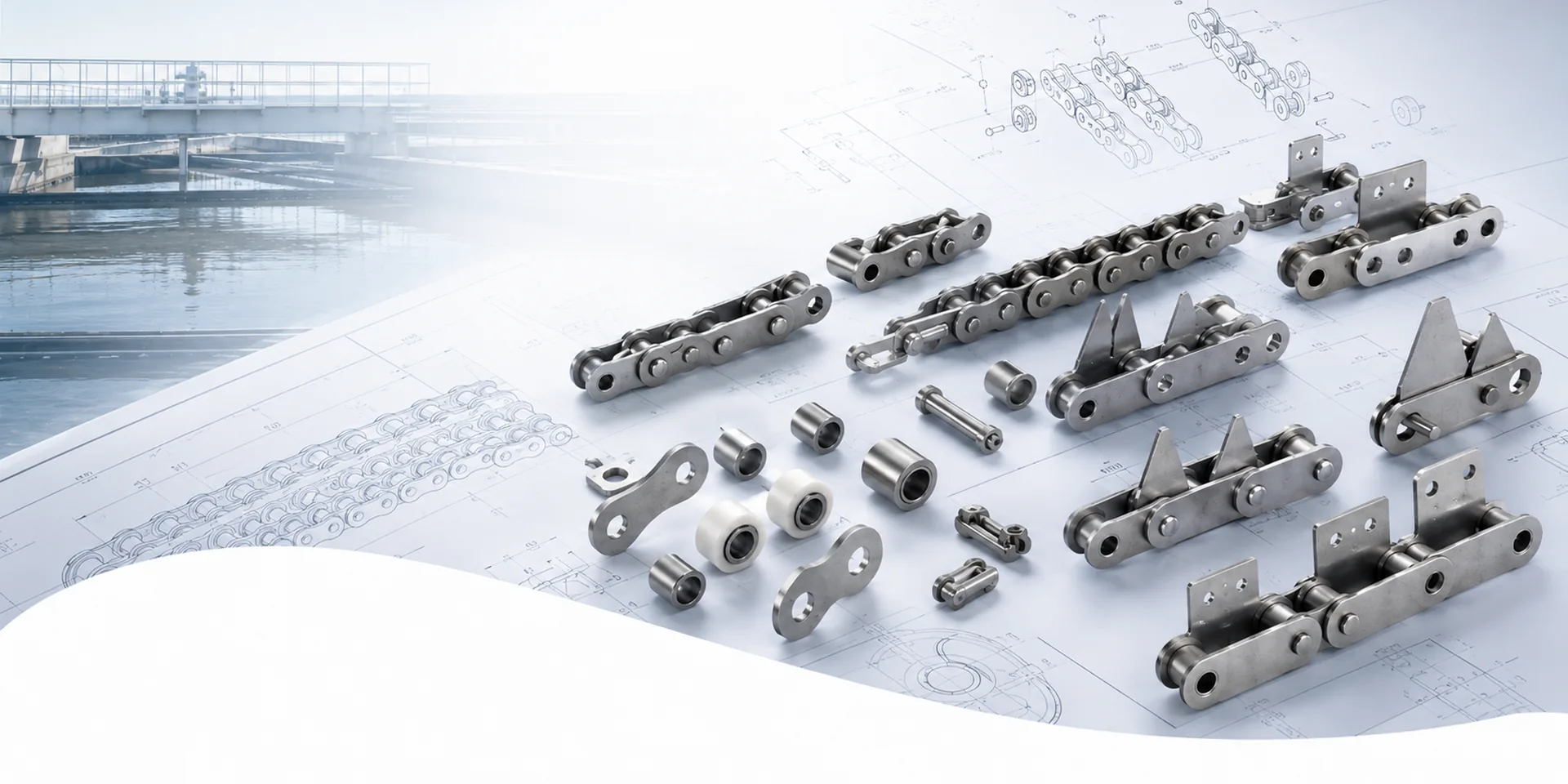
Roller Chains – ANSI, BS/DN, Anti-Corrosive and Attachment Types
Roller chains are important components and accessories in the whole conveyor belt system. They are used combined with roller sprockets as drive system to ensure the stable and smooth conveying and transmitting. We can supply all kinds of roller chains for you. Just refer to the following introduction, and decide which 1 is suitable for you. As for the detailed specifications, you can get them in 3 ways:
ANSI standard roller chains are the most widely used power transmission chains in the USA. A true powerhouse in precision & quality, the Nitro ANSI chains are built to handle a broad range of applications across many industries. Rigorous quality standards ensures every chain consistently adheres to our requirements for strength and dependability. ANSI chains come in a several options including multiple strands for applications with higher horsepower requirements.
| Chain Number | Pitch | Inner Width | Roller Diameter | Overall Width | Pin Diameter | Plate Height | Plate Thickness |
| # | P | b1 | d1 | L | d2 | h2 | T |
| 25-1* | 1/4 | 1/8 | 0.130 | 0.311 | 0.091 | 0.228 | 0.030 |
| 35-1* | 3/8 | 3/16 | 0.200 | 0.488 | 0.141 | 0.346 | 0.050 |
| 40-1 | 1/2 | 5/16 | 0.312 | 0.653 | 0.156 | 0.469 | 0.060 |
| 41-1 | 1/2 | 1/4 | 0.306 | 0.541 | 0.141 | 0.390 | 0.050 |
| 50-1 | 5/8 | 3/8 | 0.400 | 0.815 | 0.200 | 0.585 | 0.080 |
| 60-1 | 3/4 | 1/2 | 0.469 | 1.571 | 0.234 | 0.709 | 0.094 |
| 80-1 | 1 | 5/8 | 0.625 | 1.287 | 0.312 | 0.949 | 0.125 |
| 100-1 | 1-1/4 | 3/4 | 0.750 | 1.590 | 0.375 | 1.188 | 0.156 |
| 120-1 | 1-1/2 | 1 | 0.875 | 1.980 | 0.437 | 1.425 | 0.187 |
| 140-1 | 1-3/4 | 1 | 1.000 | 2.141 | 0.500 | 1.663 | 0.219 |
| 160-1 | 2 | 1-1/4 | 1.125 | 2.551 | 0.562 | 1.889 | 0.250 |
| 180-1 | 2-1/4 | 1-13/32 | 1.406 | 2.866 | 0.687 | 2.047 | 0.281 |
| 200-1 | 2-1/2 | 1-1/2 | 1.562 | 3.161 | 0.781 | 2.375 | 0.312 |
| 240-1 | 3 | 1-7/8 | 1.875 | 3.760 | 0.937 | 2.791 | 0.375 |
Incorporating links that are twice as long as standard roller chains, the roller chain is intended for long drives, low-to-moderate-speed applications, and uses sprockets with at least 24 teeth. They have been produced with thicker sides plates in order to handle higher working loads than standard chains. With a more robust side plate, heavy roller chains maintain their strength and stability over longer periods of time.
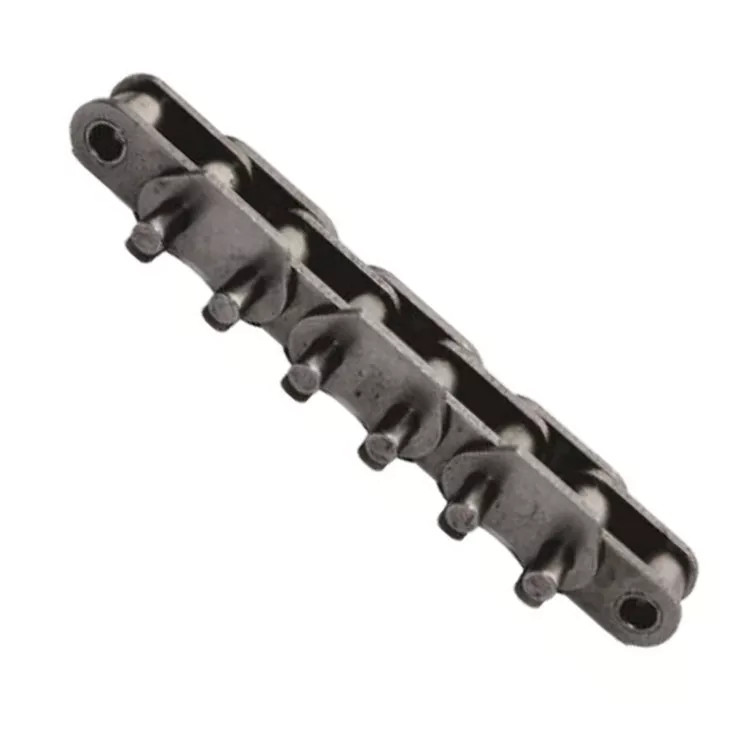
Hollow pin roller chain is essentially the same thing as a standard roller chain just with “hollow-pins”. This not only decreases the chain weight, but it also gives you the ability to place extended pins through the chain for conveying product. Many applications include; bakeries, overhead conveyors, elevators, poultry, agricultural, and a wide range of other applications.
| Size | Pitch (P) | (W) | (R) | (D) | (d) | Hollow Pin Length | (F) | (H) | (T) | Weight |
| 40HP | 0.500″ | 0.313″ | 0.312″ | 0.221″ | 0.157″ | 0.689″ | 0.689″ | 0.472″ | 0.059″ | 0.35 LBS/ FT |
| 50HP | 0.625″ | 0.375″ | 0.400″ | 0.283″ | 0.202″ | 0.854″ | 0.854″ | 0.591″ | 0.079″ | 0.58 LBS/ FT |
| 60HP | 0.750″ | 0.500″ | 0.469″ | 0.333″ | 0.236″ | 1.055″ | 1.055″ | 0.713″ | 0.094″ | 0.81 LBS/ FT |
| 80HP | 1.000″ | 0.625″ | 0.625″ | 0.449″ | 0.318″ | 1.276″ | 1.276″ | 0.950″ | 0.125″ | 1.46 LBS/ FT |
|
| Size | Pitch (P) | (K) | (W) | (R) | (D) | (F) | (T1) | (T2) | (H) | Weight (LBS/ FT) | ||
| 04B-2 | 0.236″ | 0.217″ | 0.110″ | 0.158″ | 0.073″ | 0.524″ | — | — | 0.197″ | 0.154 | ||
| 05B-2 | 0.315″ | 0.222″ | 0.118″ | 0.197″ | 0.091″ | 0.571″ | — | — | 0.280″ | |||
| 06B-2 | 0.375″ | 0.403″ | 0.225″ | 0.250″ | 0.129″ | 0.941″ | 0.039″ | 0.051″ | 0.323″ | 0.496 | ||
| 08B-2 | 0.500″ | 0.548″ | 0.305″ | 0.335″ | 0.175″ | 1.260″ | 0.059″ | 0.059″ | 0.469″ | 0.872 | ||
| 10B-2 | 0.625″ | 0.653″ | 0.380″ | 0.400″ | 0.200″ | 1.457″ | 0.059″ | 0.059″ | 0.579″ | 1.127 | ||
| 12B-2 | 0.750″ | 0.766″ | 0.460″ | 0.475″ | 0.225″ | 1.697″ | 0.071″ | 0.071″ | 0.634″ | 1.529 | ||
| 16B-2 | 1.000″ | 1.255″ | 0.670″ | 0.625″ | 0.326″ | 2.756″ | 0.126″ | 0.157″ | 0.819″ | 3.433 | ||
| 20B-2 | 1.250″ | 1.435″ | 0.770″ | 0.750″ | 0.401″ | 3.169″ | 0.138″ | 0.177″ | 1.571″ | 5.076 | ||
| 24B-2 | 1.500″ | 1.904″ | 1.000″ | 1.000″ | 0.576″ | 4.217″ | 0.197″ | 0.236″ | 1.224″ | 9.321 | ||
| 28B-2 | 1.750″ | 2.345″ | 1.220″ | 1.100″ | 0.626″ | 5.083″ | — | — | 1.457″ | 11.09 | ||
| 32B-2 | 2.000″ | 2.305″ | 1.220″ | 1.150″ | 0.701″ | 5.102″ | — | — | 1.662″ | 14.571 | ||
| 40B-2 | 2.500″ | 2.846″ | 1.500″ | 1.550″ | 0.901″ | 6.358″ | — | — | 2.083″ | 21.378 | ||
| 48B-2 | 3.000″ | 3.599″ | 1.800″ | 1.900″ | 1.151″ | 7.803″ | — | — | 2.512″ | 33.4 | ||
| 56B-2 | 3.500″ | 4.197″ | 2.100″ | 2.125″ | 1.351″ | 9.039″ | — | — | 3.063″ | 46.765 |
Certifications
| Type: | Metal Conveyor Belt |
|---|---|
| Material: | Metal |
| Inside Material: | Metal |
| Samples: |
US$ 5/Piece
1 Piece(Min.Order) | Order Sample Building Material Shops
|
|---|
| Customization: |
Available
| Customized Request |
|---|
.shipping-cost-tm .tm-status-off{background: none;padding:0;color: #1470cc}
|
Shipping Cost:
Estimated freight per unit. |
about shipping cost and estimated delivery time. |
|---|
| Payment Method: |
|
|---|---|
|
Initial Payment Full Payment |
| Currency: | US$ |
|---|
| Return&refunds: | You can apply for a refund up to 30 days after receipt of the products. |
|---|

Can a conveyor chain be used in pharmaceutical manufacturing?
Yes, conveyor chains can be used in pharmaceutical manufacturing for various applications. Conveyor systems play a crucial role in the efficient and safe transportation of pharmaceutical products throughout the manufacturing process. Here are some key considerations when using conveyor chains in pharmaceutical manufacturing:
1. Material Selection:
– Choose conveyor chains made from materials that are suitable for pharmaceutical applications, such as stainless steel or FDA-approved plastic. These materials offer corrosion resistance, cleanliness, and compliance with industry regulations.
2. Cleanliness and Sanitation:
– Ensure that the conveyor chain design allows for easy cleaning and sanitation. Smooth surfaces, minimal crevices, and access for cleaning equipment are important to maintain a hygienic environment.
3. Contamination Control:
– Implement measures to prevent contamination of pharmaceutical products. This includes using chain lubricants that are safe for pharmaceutical applications and implementing proper handling and storage procedures.
4. Product Protection:
– Choose conveyor chain systems that minimize product damage or degradation. This can include utilizing gentle product handling features such as low-friction surfaces, adjustable speed controls, and proper product spacing.
5. Regulatory Compliance:
– Ensure that the conveyor chain system complies with pharmaceutical industry regulations and guidelines, such as Good Manufacturing Practices (GMP) and the requirements of regulatory bodies like the FDA.
6. Integration with Equipment:
– Consider the integration of conveyor chains with other equipment in the pharmaceutical manufacturing process, such as labeling machines, filling machines, and packaging equipment. The conveyor system should provide seamless operation and synchronization with these machines.
By carefully selecting and designing conveyor chains specifically for pharmaceutical manufacturing, it is possible to meet the stringent requirements of the industry in terms of cleanliness, product integrity, and regulatory compliance.
How do you prevent corrosion in conveyor chains?
Preventing corrosion in conveyor chains is essential for maintaining their performance and prolonging their lifespan. Here are some effective measures to prevent corrosion:
1. Material Selection: Choose conveyor chains made from corrosion-resistant materials such as stainless steel, plastic, or coatings specifically designed to resist corrosion. These materials offer better protection against rust and corrosion compared to standard steel chains.
2. Proper Lubrication: Apply a suitable lubricant to the conveyor chain regularly. Lubrication creates a protective barrier that helps prevent moisture and contaminants from reaching the metal surface, reducing the risk of corrosion. Select a lubricant that provides corrosion protection properties and is compatible with the chain material.
3. Environmental Controls: Control the operating environment to minimize exposure to corrosive elements. Implement measures such as humidity control, proper ventilation, and protection from direct contact with water or chemicals. Consider using covers or enclosures to shield the conveyor chain from environmental factors that can accelerate corrosion.
4. Surface Treatments: Apply corrosion-resistant coatings or treatments to the conveyor chain. These coatings can provide an additional protective layer that acts as a barrier against moisture and corrosive substances. Examples of surface treatments include zinc plating, galvanizing, or epoxy coatings.
5. Regular Inspections and Cleaning: Regularly inspect the conveyor chain for signs of corrosion or damage. Remove any accumulated dirt, debris, or corrosive substances promptly. Cleaning the chain helps prevent the buildup of contaminants that can accelerate corrosion.
6. Preventive Maintenance: Implement a preventive maintenance program that includes regular cleaning, lubrication, and inspection of the conveyor chain. This proactive approach helps identify and address any potential corrosion issues early on, preventing further damage.
7. Proper Storage: When not in use, store the conveyor chains in a dry and controlled environment. Protect them from exposure to moisture, humidity, and corrosive substances. Use appropriate storage methods, such as hanging the chains or storing them in sealed containers.
By following these preventive measures, you can significantly reduce the risk of corrosion in conveyor chains, ensuring their optimal performance and longevity.

What factors should be considered when designing a conveyor chain system?
When designing a conveyor chain system, several factors need to be considered to ensure optimal performance and functionality. These factors include:
- Load Capacity: The load capacity of the conveyor chain system is a critical consideration. It involves determining the maximum weight and size of the materials or products to be conveyed. This information helps in selecting the appropriate chain type, size, and strength to handle the expected load.
- Speed and Throughput: The desired speed at which the conveyor system needs to operate and the expected throughput of materials are important factors. They influence the selection of chain pitch, sprocket size, and motor power to achieve the desired conveyor speed and material handling capacity.
- Environmental Conditions: The operating environment plays a crucial role in the design of a conveyor chain system. Factors such as temperature, humidity, dust, corrosive substances, and presence of water or chemicals impact the selection of materials for the chain, sprockets, and other components to ensure durability and resistance to wear and corrosion.
- Conveyor Layout and Configuration: The layout and configuration of the conveyor system are key considerations. Factors such as available space, conveyor path, incline or decline angles, and any required curves or turns affect the selection of chain type, sprocket arrangement, and overall system design.
- Maintenance and Accessibility: Easy access for maintenance and servicing is crucial for the longevity and efficient operation of the conveyor chain system. Considering factors such as lubrication points, chain tension adjustment mechanisms, and overall accessibility for inspections and repairs ensures smooth operation and minimizes downtime.
- Noise and Vibration: The level of noise and vibration generated by the conveyor chain system can impact the working environment. Design considerations such as selecting chain types with low noise characteristics, implementing proper lubrication, and using vibration-damping components help minimize noise and vibration levels.
- Safety: Safety is of paramount importance in conveyor chain system design. Factors such as guarding, emergency stop systems, proper alignment, and anti-slip measures need to be incorporated to ensure the safety of operators and prevent accidents or injuries.
Considering these factors during the design stage helps in selecting the appropriate conveyor chain type, size, and configuration to meet the specific requirements of the application, ensuring smooth and efficient material handling operations.


editor by CX 2023-10-24