Wastewater treatment chain engineering
Wastewater Treatment Chains for Cleaner, More Reliable Plants
Chain options for clarifiers, collectors, grit handling and screening equipment, with dimensional review for replacement and new-project RFQs.

Chain options for clarifiers, collectors, grit handling and screening equipment, with dimensional review for replacement and new-project RFQs.
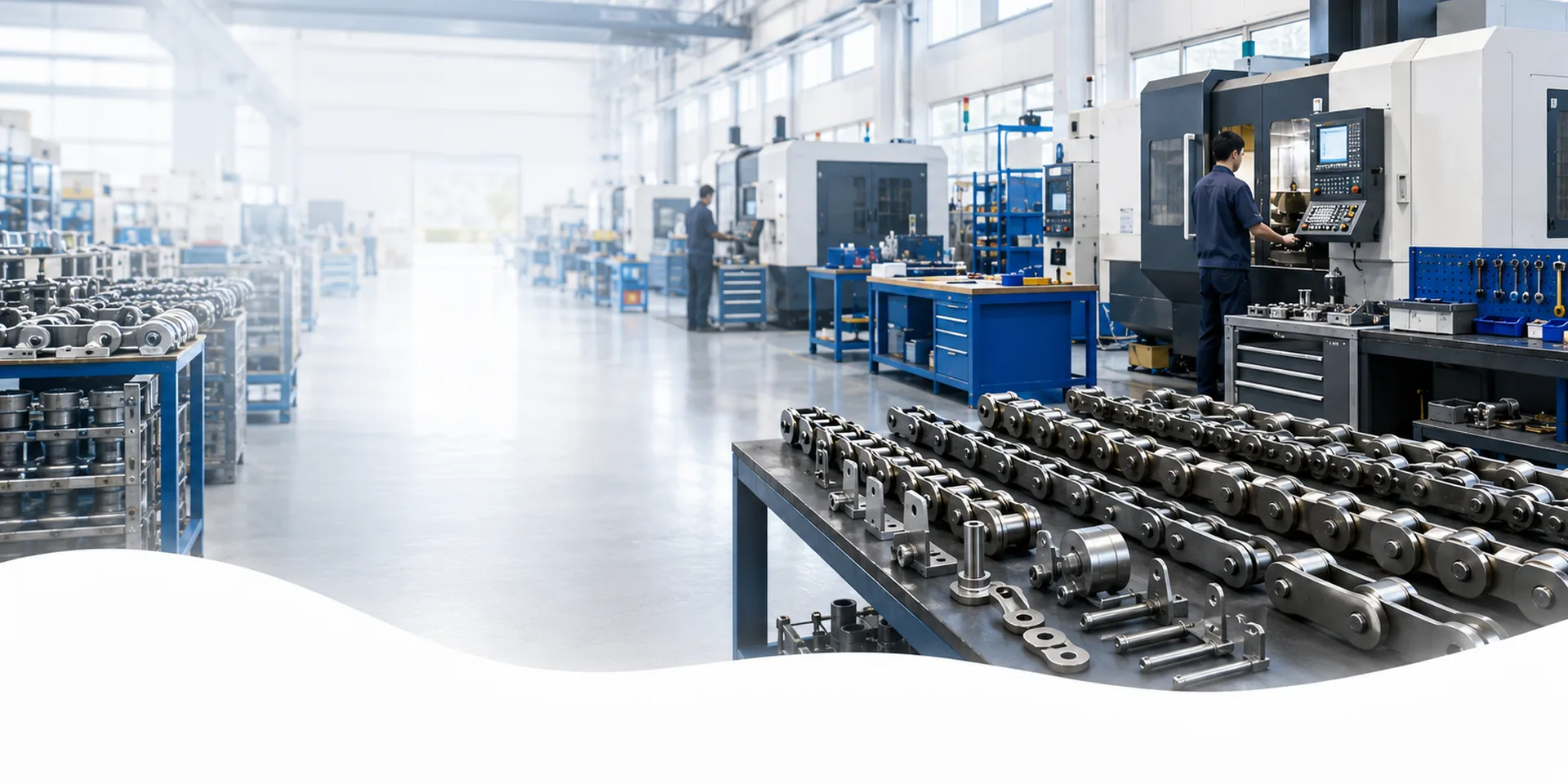
From model identification and attachments to sprocket checks and dimensional inspection.
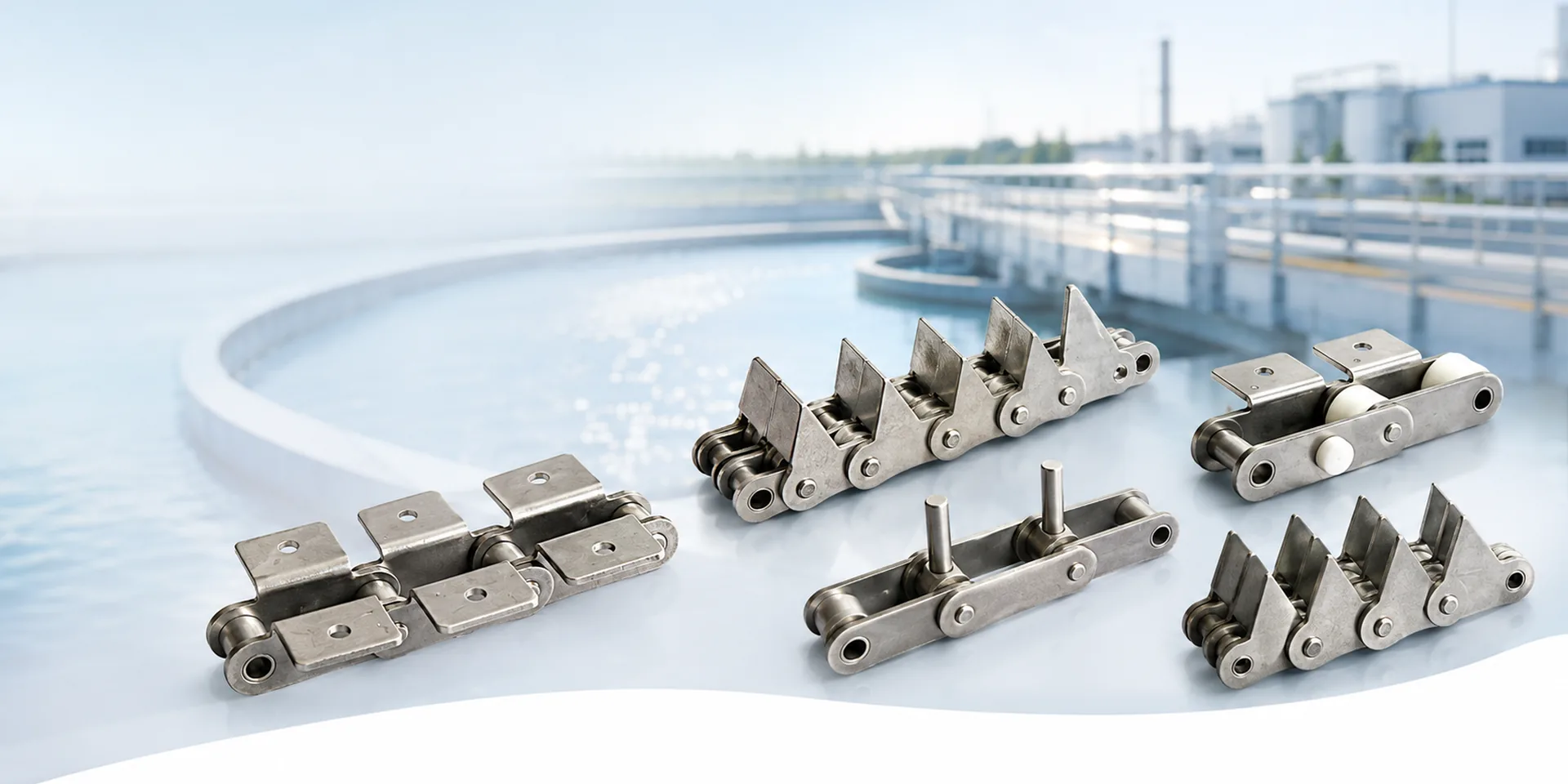
Compare chain families by geometry, duty, attachments and sprocket interface before selecting a model for the equipment.
Compare wastewater-chain families by construction, geometry, operating environment and the equipment interfaces that control replacement fit.
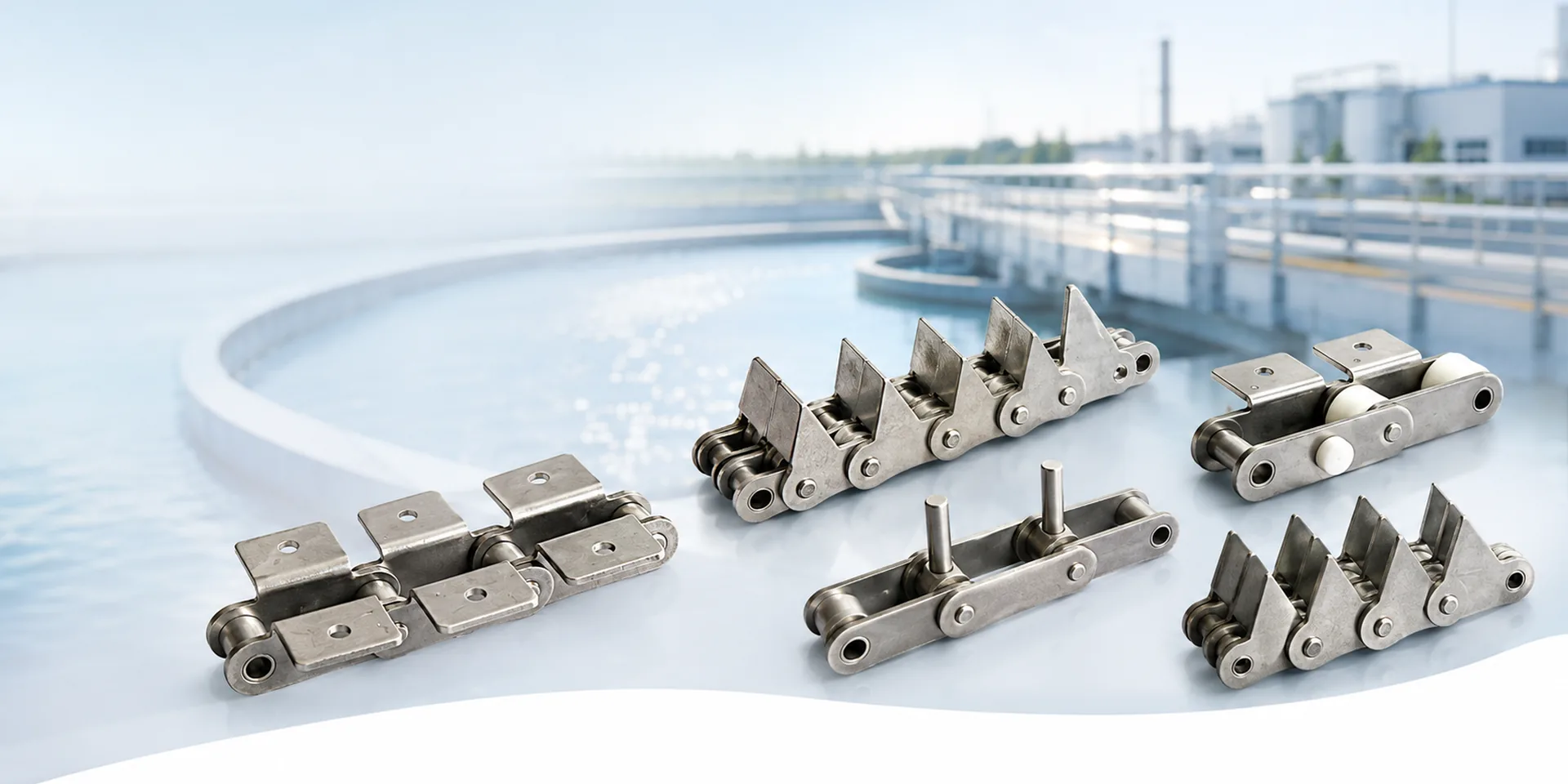
Nonmetallic Wastewater Chains for industrial wastewater treatment and collector equipment. Compare model geometry, attachments, sprockets and operating duty before ordering.
View family →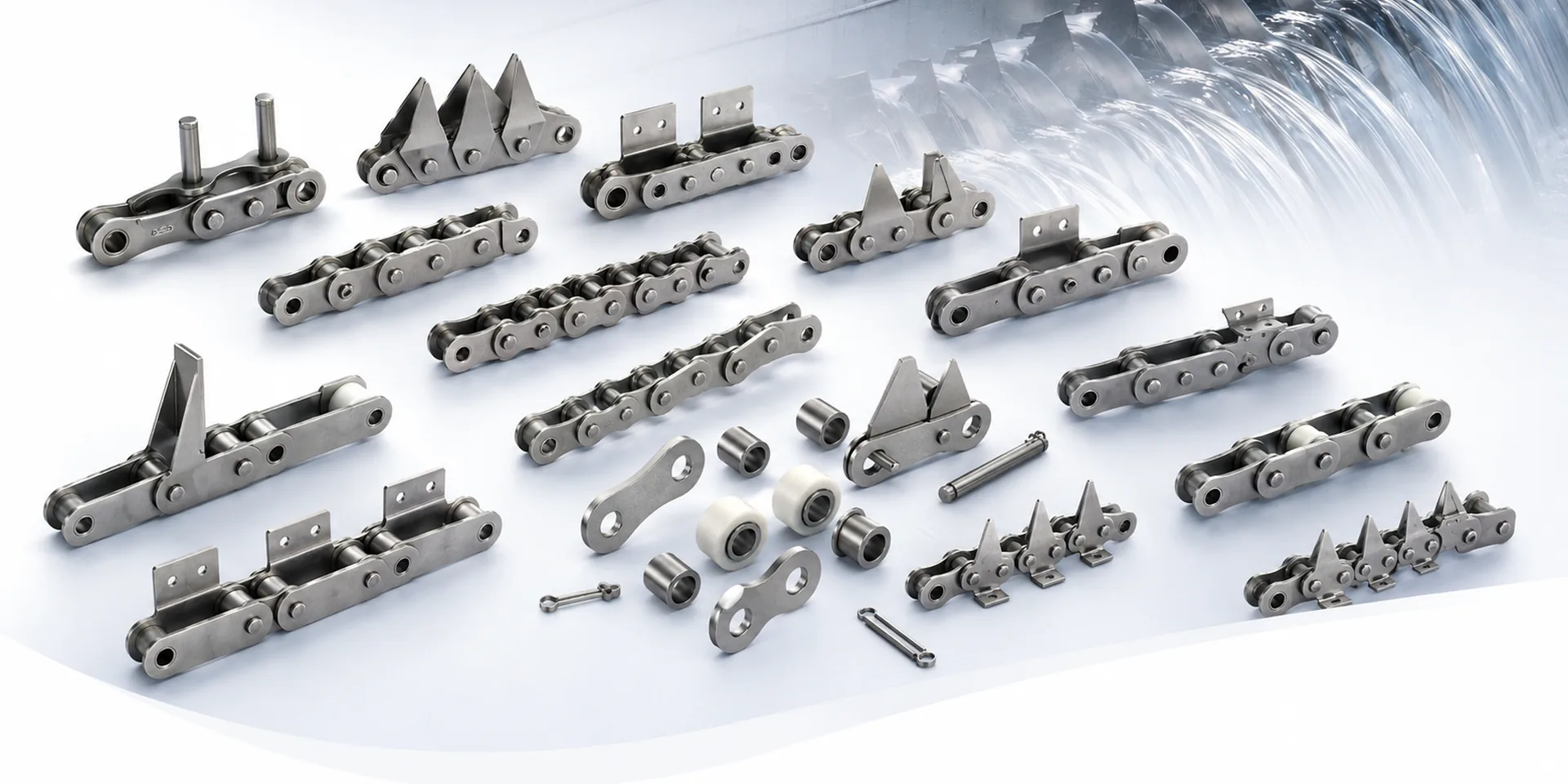
Stainless Steel Wastewater Chains for industrial wastewater treatment and collector equipment. Compare model geometry, attachments, sprockets and operating duty before ordering.
View family →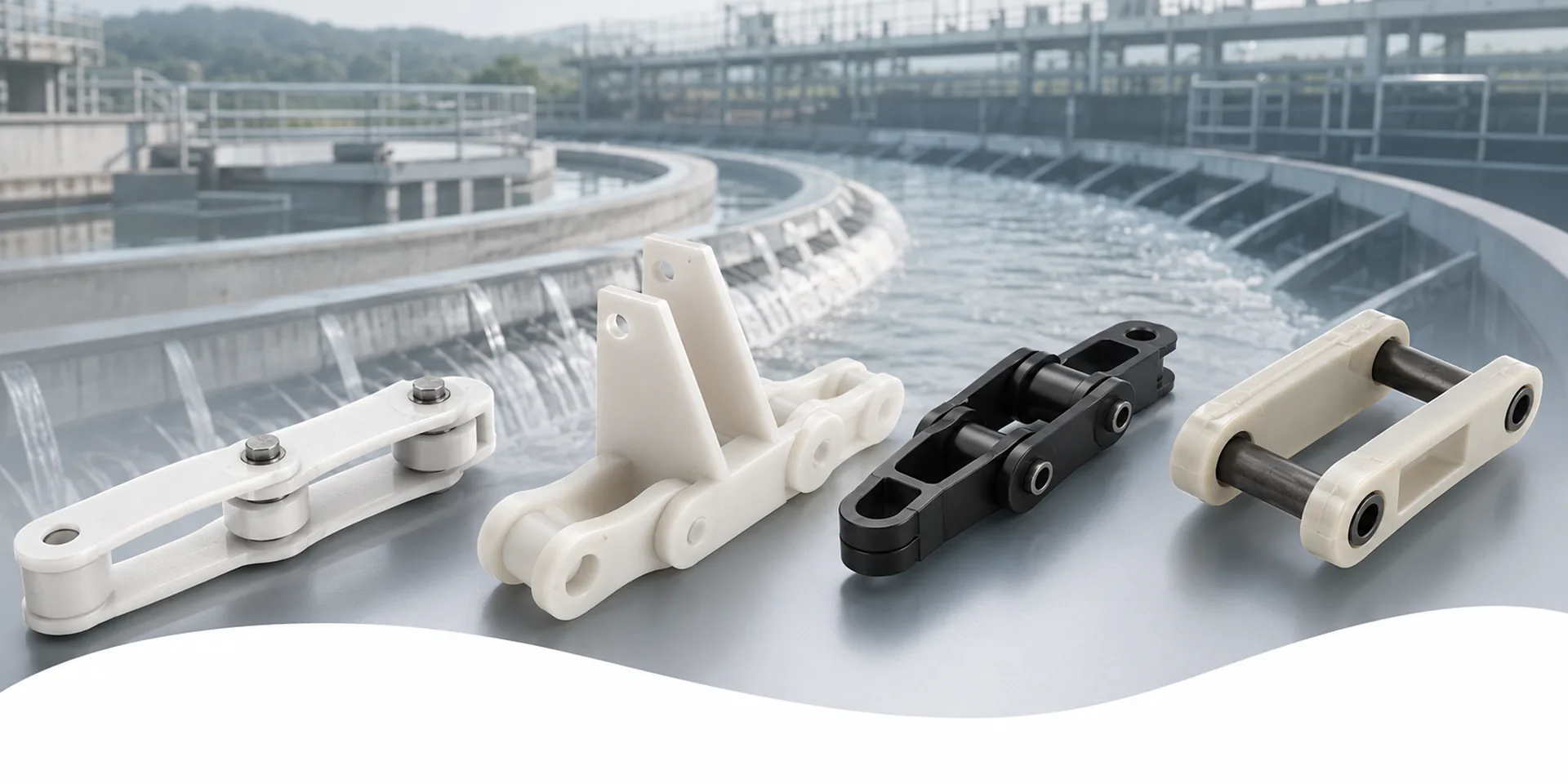
Wastewater Collector & Pintle Chains for industrial wastewater treatment and collector equipment. Compare model geometry, attachments, sprockets and operating duty before ordering.
View family →Check pitch, widths, pins or barrels, link profile and attachments against the installed sprocket and guides.
State water chemistry, solids and grit exposure, submergence, cleaning practice and the observed failure mode.
Define hole spacing, offset, attachment interval, flight connection and paired-strand alignment before release.
Tooth wear, face width, alignment and take-up condition can control replacement life as much as chain choice.
A collector chain carries tension around sprockets while attachments transfer load to flights or rakes. Guides support the working and return paths; take-up accommodates installation and wear.
For replacement work, measure the chain and inspect the sprockets together. For new systems, define the general arrangement, attachment spacing and service environment before fixing the chain model.
Open Selection Engineering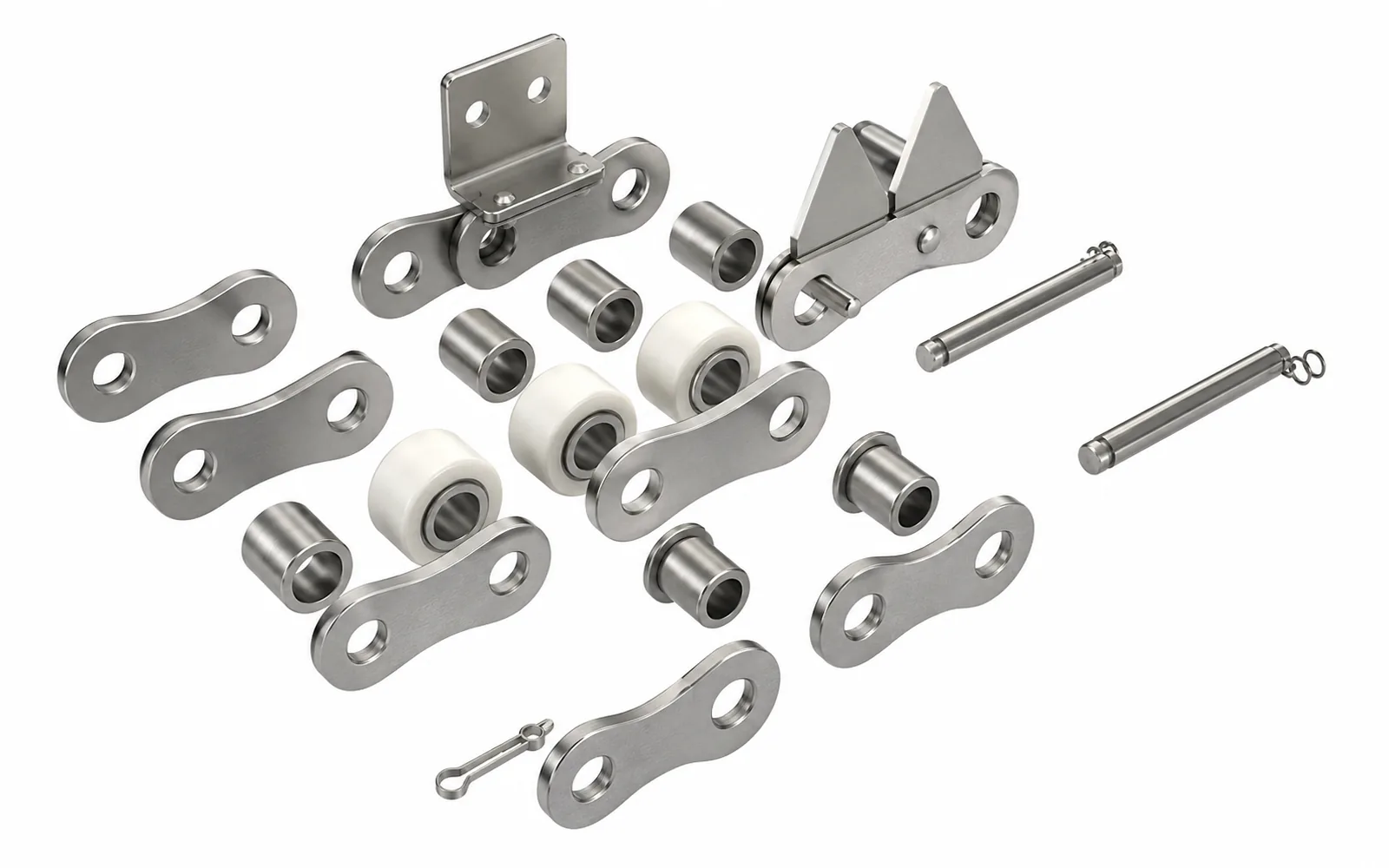
Pitch over several links, width, pins/barrels, link profile and attachments.
Direction, working and return runs, guides, take-up and flight spacing.
Tooth count, face width, shaft/bore and wear condition.
Submergence, grit, chemicals, speed, load cycle and quantity.
Production quality is most useful when it is tied to the controlling drawing. Pitch, overall width, pin/bearing geometry, attachments and assembled length should be inspected against the agreed specification.
For production planning, the controlling drawing should define the dimensions and interfaces that matter at installation. Inspection priorities include assembled pitch, width, pin or bearing geometry, attachment position and overall chain length where specified.
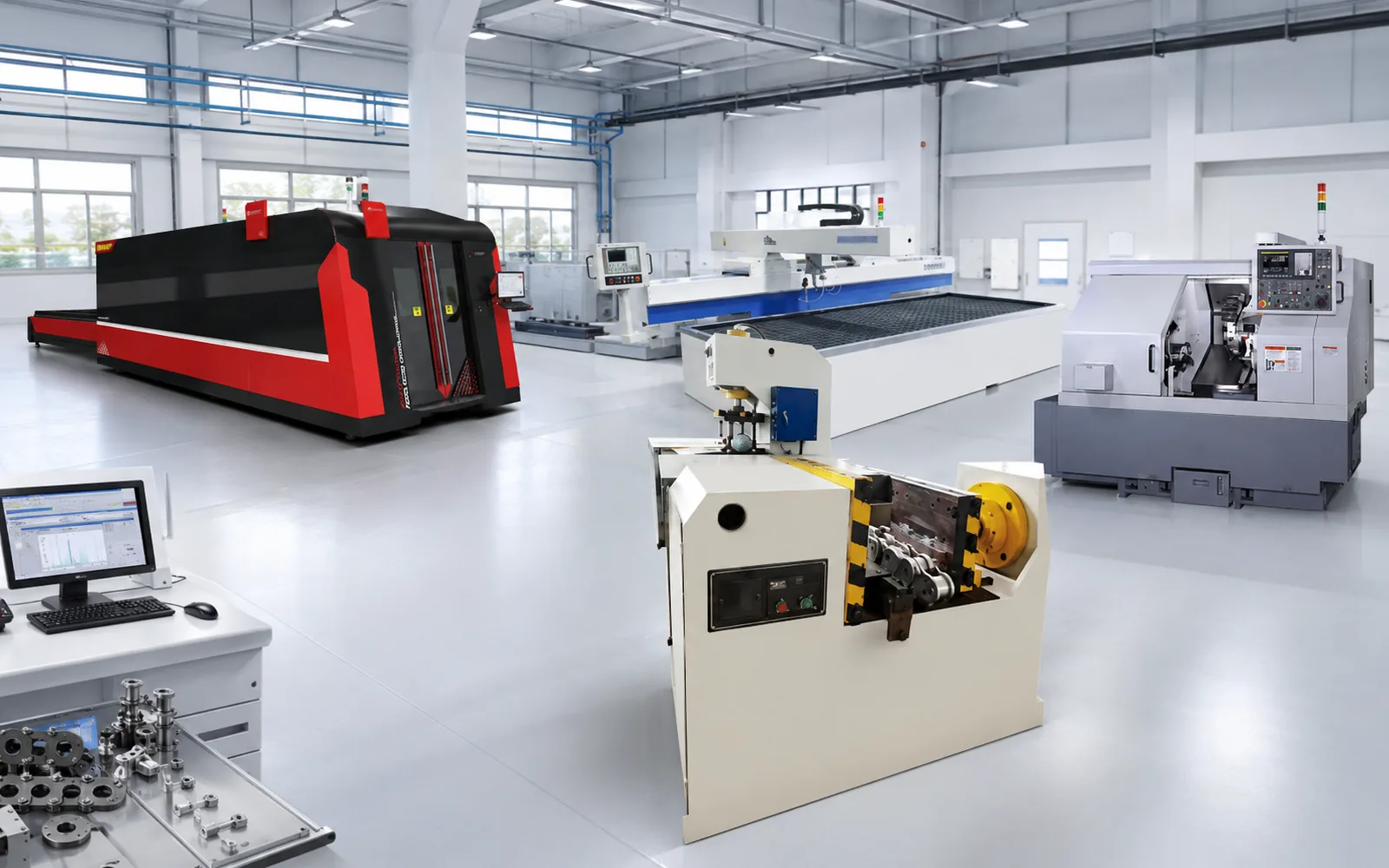
Include model or sample, measured dimensions, attachment pattern, sprocket data, application, total chain length or pitches and quantity. Mixed models can be grouped into one industrial RFQ when they belong to the same project.
Contact Engineering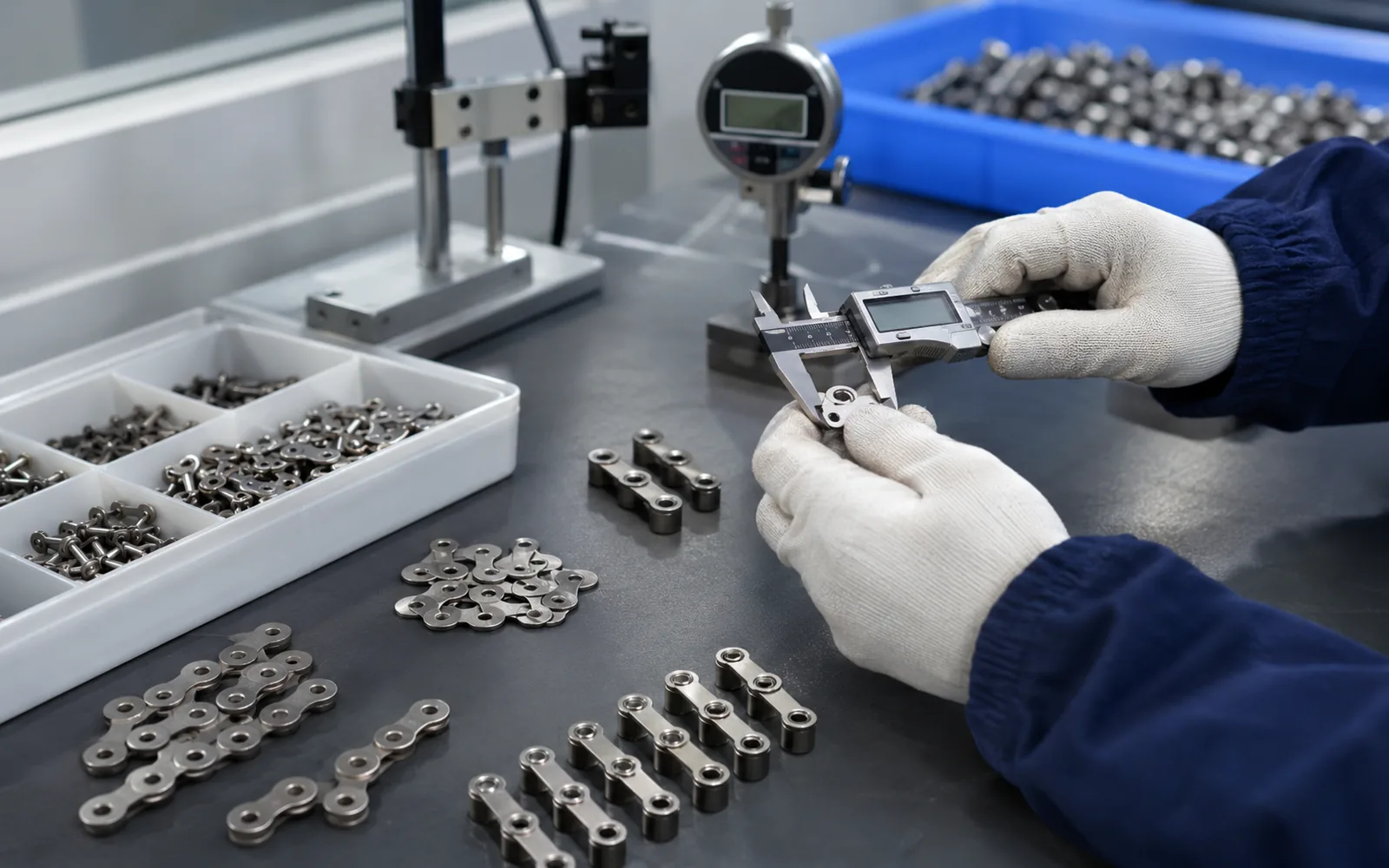
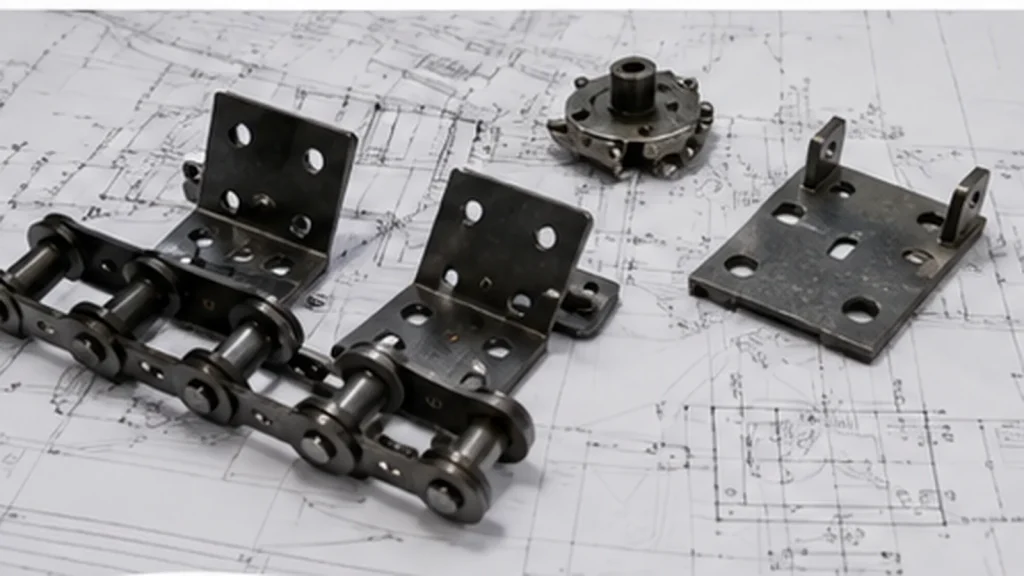
Define a custom chain around fixed equipment interfaces, duty and inspection requirements rather than a vague model description.
Read guide →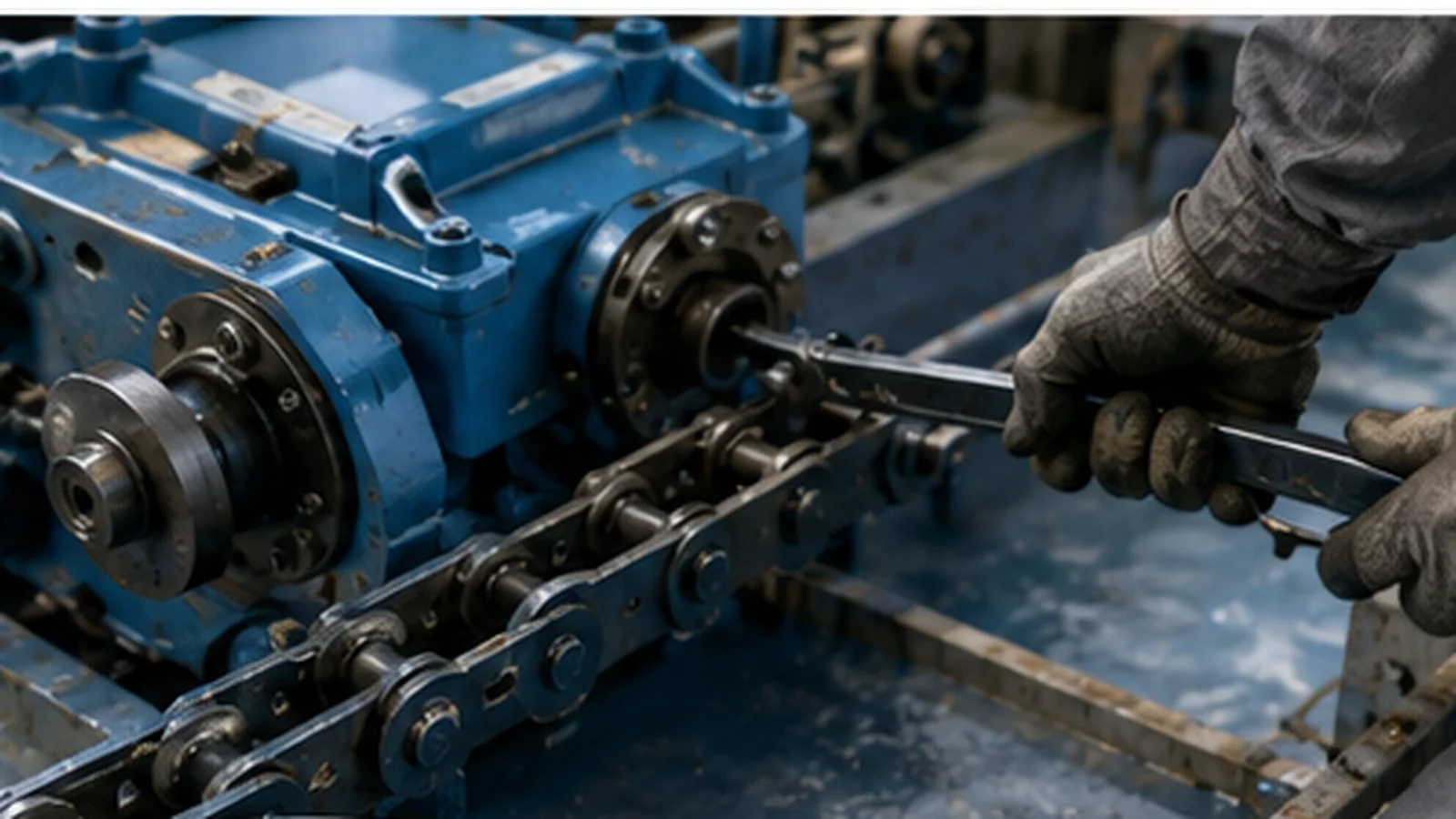
Decide whether the sprockets can accept a new chain or should be renewed as part of the same shutdown.
Read guide →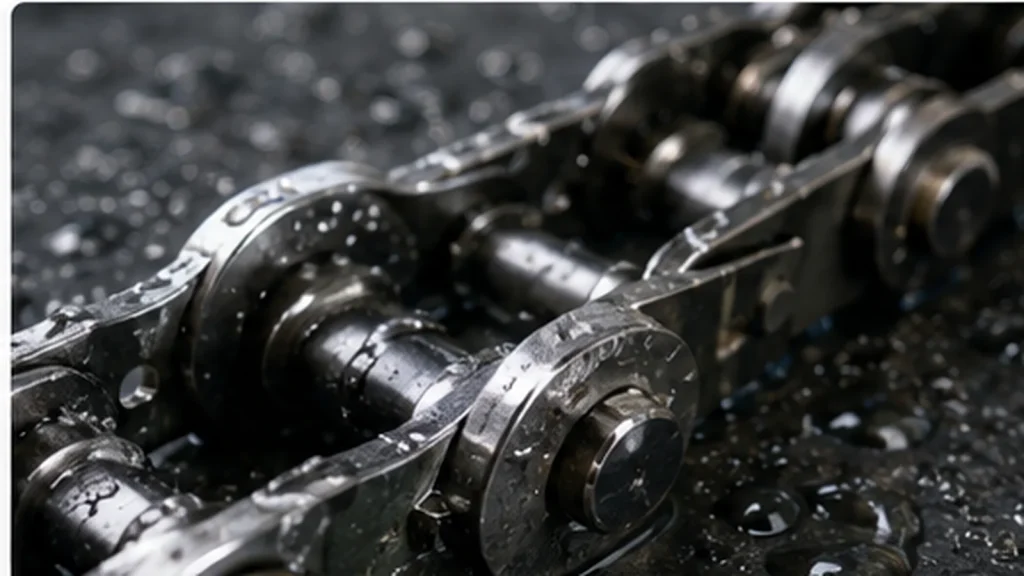
Classify the failure by load path and wear pattern before choosing a stronger or different-material chain.
Read guide →