
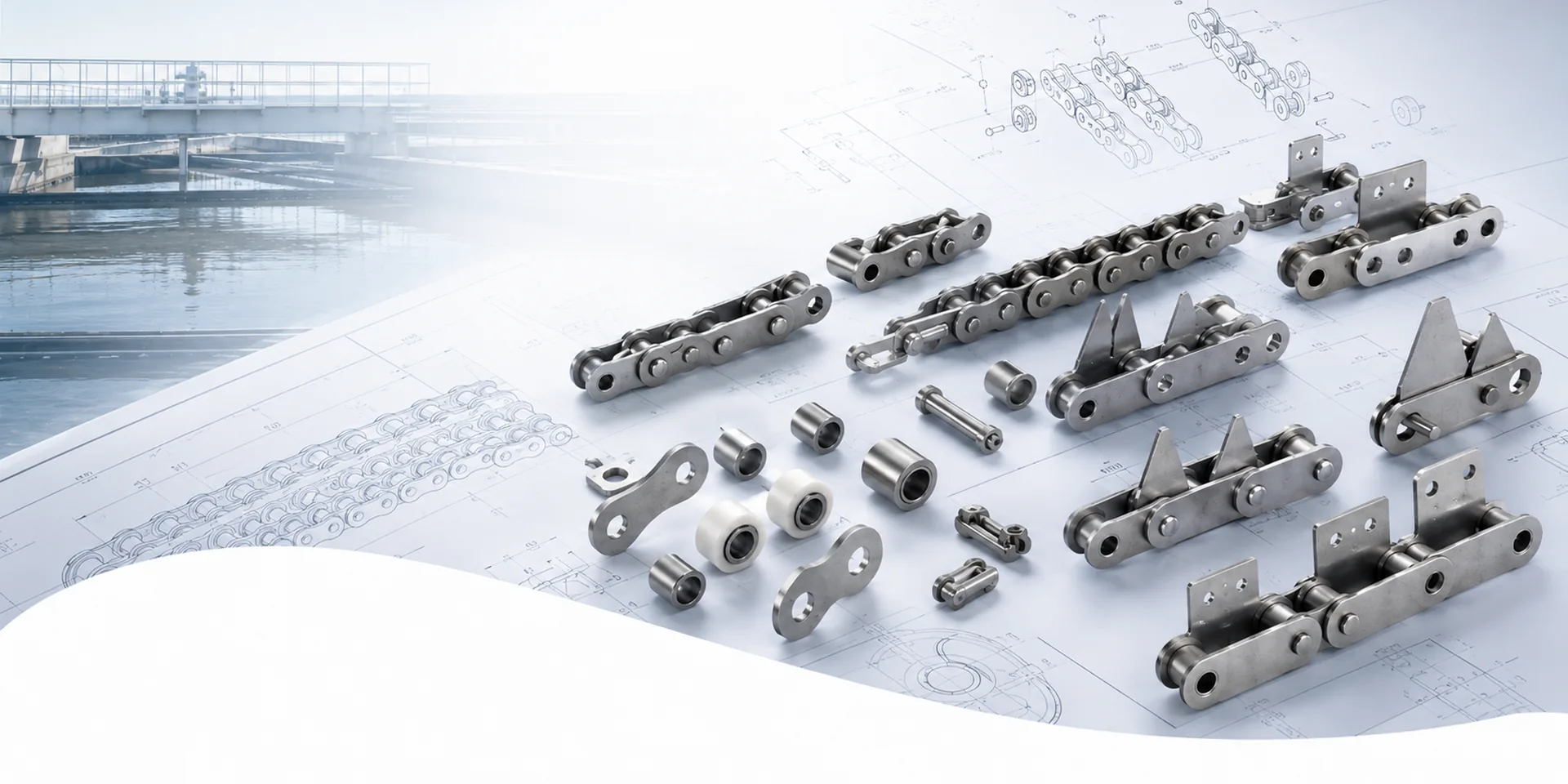
Product Description
Grade 80 Alloy Steel Link Chain
* Alloy chain is designed and manufactured for superior performance and usage.
* It can easy withstand more abuse, abrasion resistance, greater load lifting per size.
* It is lighter to handle for operations.
* Material alloy steel, heat treated and proof tested.
* Safety factor 4: 1
* Tougher and more reliable for lifting application.
* Minimize downtime operation and more durable surpassed safety record.
* Finish: Available with self-coloured, black tempered, blue painted, and red painted.
* Permanently embossed with desired marking for easy identification and traceability.
* Standard: EN818-2.
| Product | Alloy Steel Chain |
| Standard | EN818-2, GB/T20652, GB/T12718, GB/T20946, DIN5685. |
| Size | 3mm-72mm |
| Material | Alloy steel / carbon steel / stainless steel |
| Strength Grade | G43, G63, G70, G80, G80 |
| Elongation of Chain Breaking | ≥ 16% |
| Feature | It can withstand more abuse, abrasion resistance |
| Tougher and more reliable for lifting application | |
| Do 2.4 times of WLL manufacturing validation strength tensile test. | |
| Safety factor: Min. 4: 1 | |
| Long service life | |
| Finish | Self-colored, black tempered, electro galvanized, hot-dipped galvanized, painted. |
| Application | Overhead lifting, dragging, chain slings, etc |
| Packing List | Plywood reel / plastic reel / plastic drum / gunny bag / iron drum+plywood pallet / iron pallet |
| Delivery Time | 20~40 days |
Chain Details
Drawing and Data
| Chain dia. B (mm) |
Inside length T (mm) |
Inside width B1. (mm) |
Outside width B2. (mm) |
Working load (t) |
Breaking load (t) |
Weight (kg/m) |
| 3 | 9 | 3.8 | 10.7 | 0.36 | 14.1 | 0.21 |
| 4 | 12 | 5 | 14.3 | 0.63 | 25.1 | 0.35 |
| 5 | 15 | 6.3 | 16.5 | 1 | 3.16 | 0.5 |
| 6 | 18 | 7.5 | 20 | 1.44 | 4.56 | 0.8 |
| 6.3 | 19.8 | 8.2 | 20.8 | 1.6 | 5 | 0.84 |
| 7 | 21 | 9 | 24.5 | 1.92 | 6 | 1.1 |
| 7.1 | 21.3 | 9 | 24.5 | 2 | 6.32 | 1.15 |
| 8 | 24 | 10 | 28 | 2.5 | 8 | 1.4 |
| 9 | 27 | 11 | 31.5 | 3.15 | 10.2 | 1.82 |
| 10 | 30 | 12.5 | 35 | 4 | 12.8 | 2.2 |
| 11 | 33 | 12.6 | 36.5 | 4.2 | 15.2 | 2.33 |
| 12 | 36 | 15 | 42 | 4.6 | 18.4 | 3.1 |
| 13 | 39 | 16.3 | 46 | 5.3 | 21.2 | 3.7 |
| 14 | 42 | 18 | 49 | 6.3 | 25.2 | 4.13 |
| 15 | 46 | 20 | 52 | 7 | 28 | 5.17 |
| 16 | 48 | 20 | 56 | 8 | 32 | 5.63 |
| 18 | 54 | 23 | 63 | 10 | 40 | 6.85 |
| 19 | 57 | 23.7 | 63.2 | 11.3 | 45.2 | 7.8 |
| 20 | 60 | 25 | 70 | 12.5 | 50 | 8.6 |
| 22 | 66 | 28 | 77 | 15.3 | 61.2 | 11 |
| 24 | 72 | 32 | 82 | 18 | 72 | 12.8 |
| 26 | 78 | 35 | 91 | 21.3 | 85.2 | 14.9 |
| 32 | 90 | 38 | 105 | 28.3 | 113.2 | 19.6 |
| 34 | 102 | 46.5 | 121.2 | 36.3 | 145.2 | 25.5 |
| 36 | 108 | 49.5 | 128.5 | 40.7 | 162.8 | 31 |
| 38 | 114 | 52 | 136 | 45.3 | 181.2 | 32 |
| 42 | 126 | 55.5 | 144.5 | 55.4 | 221.6 | 38.6 |
| 48 | 144 | 62.4 | 177.6 | 72.3 | 289.2 | 52 |
| 50 | 150 | 65 | 185 | 80 | 320 | 56 |
| 52 | 156 | 67.6 | 192.4 | 85 | 340 | 59 |
| 56 | 168 | 72.8 | 207.2 | 100 | 400 | 72.5 |
| 63 | 190 | 81.9 | 233.1 | 125 | 500 | 89 |
| 72 | 210 | 91 | 259 | 160 | 640 | 110 |
Application
Factory
Package
Related Products
Contact
| Usage: | Heavy Duty Lifting |
|---|---|
| Material: | Alloy |
| Surface Treatment: | Baking Paint |
| Feature: | Heat Resistant |
| Chain Size: | 3mm-72mm |
| Structure: | Welded Chain |
| Samples: |
US$ 2/Meter
1 Meter(Min.Order) | |
|---|
| Customization: |
Available
| Customized Request |
|---|

Can a conveyor chain be used in pharmaceutical manufacturing?
Yes, conveyor chains can be used in pharmaceutical manufacturing for various applications. Conveyor systems play a crucial role in the efficient and safe transportation of pharmaceutical products throughout the manufacturing process. Here are some key considerations when using conveyor chains in pharmaceutical manufacturing:
1. Material Selection:
– Choose conveyor chains made from materials that are suitable for pharmaceutical applications, such as stainless steel or FDA-approved plastic. These materials offer corrosion resistance, cleanliness, and compliance with industry regulations.
2. Cleanliness and Sanitation:
– Ensure that the conveyor chain design allows for easy cleaning and sanitation. Smooth surfaces, minimal crevices, and access for cleaning equipment are important to maintain a hygienic environment.
3. Contamination Control:
– Implement measures to prevent contamination of pharmaceutical products. This includes using chain lubricants that are safe for pharmaceutical applications and implementing proper handling and storage procedures.
4. Product Protection:
– Choose conveyor chain systems that minimize product damage or degradation. This can include utilizing gentle product handling features such as low-friction surfaces, adjustable speed controls, and proper product spacing.
5. Regulatory Compliance:
– Ensure that the conveyor chain system complies with pharmaceutical industry regulations and guidelines, such as Good Manufacturing Practices (GMP) and the requirements of regulatory bodies like the FDA.
6. Integration with Equipment:
– Consider the integration of conveyor chains with other equipment in the pharmaceutical manufacturing process, such as labeling machines, filling machines, and packaging equipment. The conveyor system should provide seamless operation and synchronization with these machines.
By carefully selecting and designing conveyor chains specifically for pharmaceutical manufacturing, it is possible to meet the stringent requirements of the industry in terms of cleanliness, product integrity, and regulatory compliance.
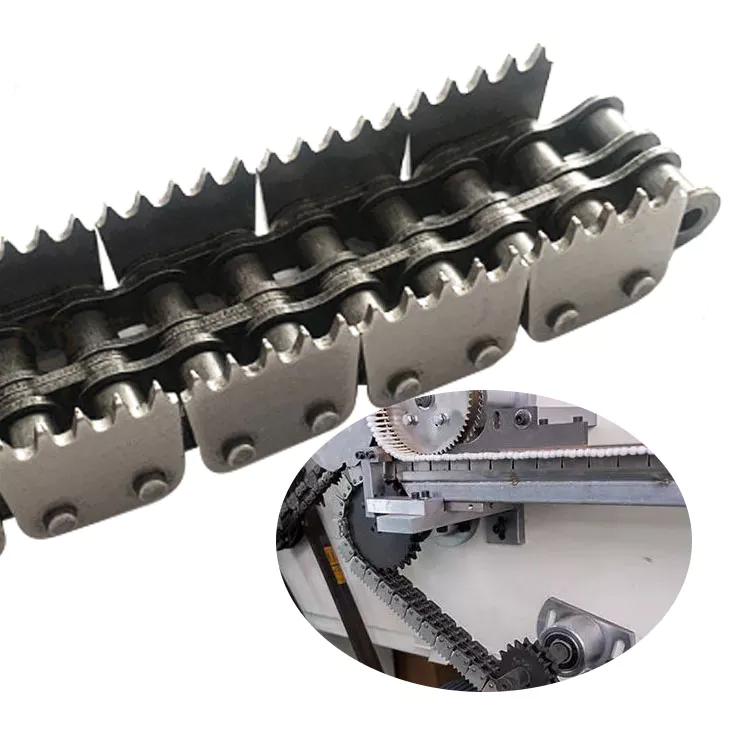
What are the different attachment options available for a conveyor chain?
Conveyor chains can be equipped with various types of attachments or accessories to accommodate specific material handling needs. Here are some common attachment options:
1. Cleats or Flights: Cleats or flights are raised sections attached to the conveyor chain to prevent materials from slipping or sliding off the chain. They are commonly used in incline or decline applications or when handling loose or bulk materials.
2. Side Plates or Side Guards: Side plates or side guards are installed along the edges of the conveyor chain to provide containment and prevent materials from spilling or falling off the sides. They are particularly useful when conveying small or irregularly shaped items.
3. Pusher Bars: Pusher bars are extensions mounted on the conveyor chain that can be pneumatically or mechanically actuated to push materials onto a different conveyor line or divert them to a specific location. They are often used for sorting or diverting applications.
4. Hold-Downs or Brackets: Hold-downs or brackets are devices attached to the conveyor chain to secure and stabilize the transported materials. They ensure that the materials remain in a fixed position during the conveying process, especially when encountering vibrations or changes in speed.
5. Guide Rails: Guide rails are installed alongside the conveyor chain to provide guidance and alignment for the materials being conveyed. They help maintain the desired path and prevent lateral movement or misalignment.
6. Magnetic Attachments: Magnetic attachments are used when handling ferrous materials. They allow the conveyor chain to attract and hold magnetic objects, ensuring effective transport and separation.
7. Tooling Plates: Tooling plates are platforms or mounting surfaces attached to the conveyor chain to accommodate specific equipment, such as fixtures, sensors, or robotic arms. They provide a convenient and customizable interface for integrating additional functionalities into the conveyor system.
8. Diverters or Transfer Units: Diverters or transfer units are specialized attachments that enable the seamless transfer of materials from one conveyor line to another, or between different processing stations. They ensure smooth transitions and precise material flow control.
These attachment options offer flexibility and versatility in conveyor chain applications, allowing customization based on the specific requirements of the material being transported or the production process. By selecting the appropriate attachments, conveyor chains can effectively handle a wide range of materials and optimize material flow within a conveyor system.
How do you properly tension a conveyor chain?
Properly tensioning a conveyor chain is crucial for its smooth operation and to prevent issues like chain slipping or excessive wear. Here are the steps to properly tension a conveyor chain:
- Identify the Tensioning Points: Determine the locations where the conveyor chain can be tensioned. These are typically at the ends of the chain or at specific tensioning devices.
- Loosen the Tensioning Devices: If there are tensioning devices in place, such as adjustable bolts or tensioning screws, loosen them to allow for adjustment.
- Apply Tension: Apply tension to the conveyor chain by either manually pulling the chain or using a tensioning tool. The amount of tension required depends on the chain type and the manufacturer’s recommendations.
- Check the Tension: Use a tension gauge or other suitable method to measure the tension of the conveyor chain. The tension should fall within the specified range provided by the chain manufacturer.
- Adjust the Tension: If the tension is too loose or too tight, make adjustments accordingly. Tighten or loosen the tensioning devices until the desired tension is achieved.
- Secure the Tensioning Devices: Once the proper tension is achieved, securely tighten the tensioning devices to hold the chain in place.
- Verify the Tension: After tensioning the chain, perform a visual inspection and run the conveyor to ensure the chain runs smoothly without excessive slack or tightness. Make any further adjustments if necessary.
It’s important to refer to the specific guidelines provided by the conveyor chain manufacturer for proper tensioning instructions, as the exact method may vary depending on the chain type and design. Regularly check the tension of the conveyor chain and make adjustments as needed to maintain optimal performance.


editor by CX 2023-10-25