
Product Description
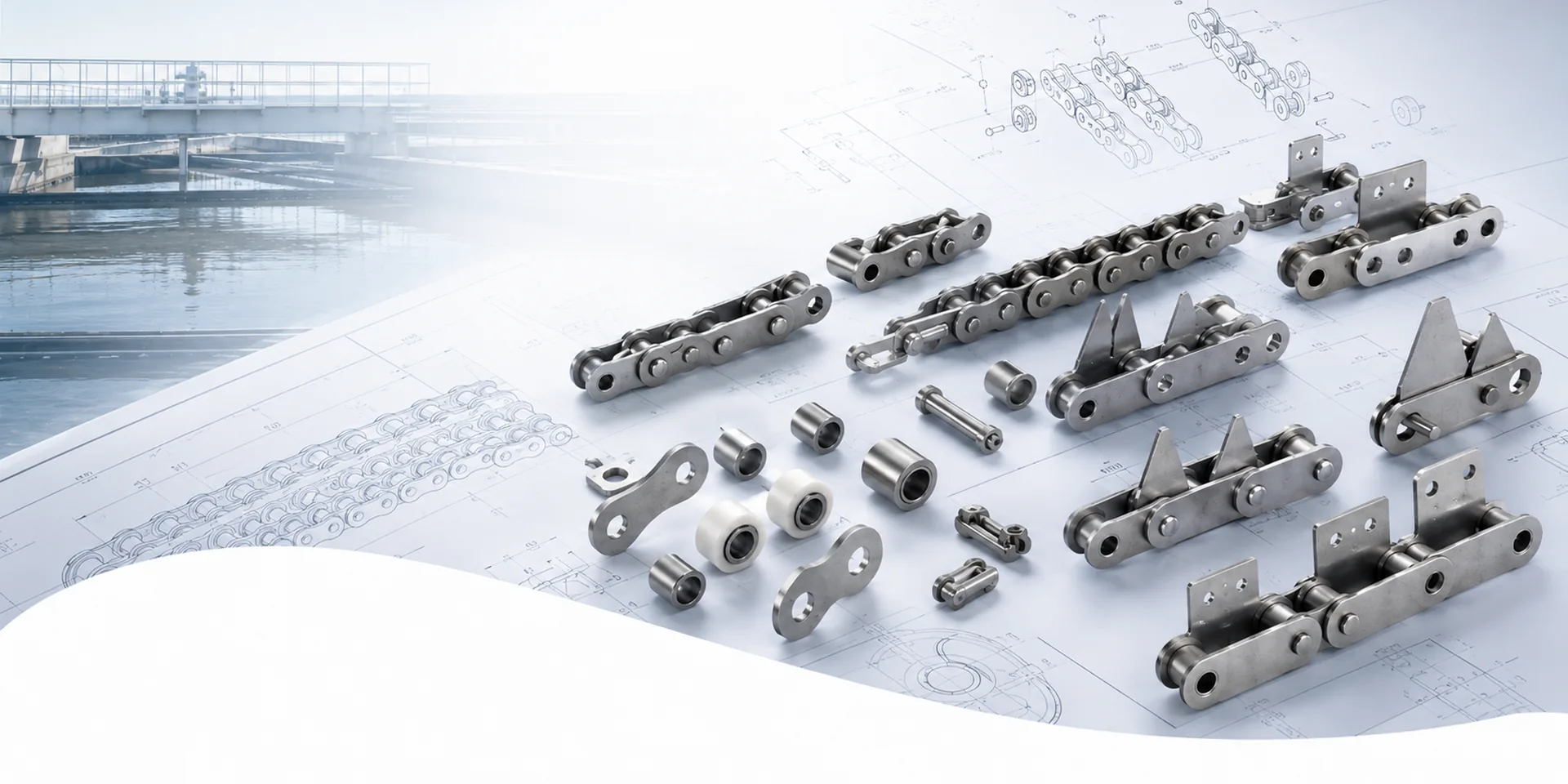
TGSS Scraper Chain Conveyor
Chain conveyor is the transportation equipment that depend on the running of scraper chain in the closed casing, which make the material be transported towards presumptive object. It has small volume, good air tightness, good rigidity, flexible technique layout, flexible installation and maintenance. Chain conveyor principle depends on material’s endo-attrition and wall pressure, during the material be transported, the pressure comes from scraper chain’s moving direction and the push force comes from down material to up material when adding material continuously.
| Item Model | Effective area(WxH) | Scraper type | Scraper chain model | Transport Volume (m/s) | Max deliver distance(m) | |
| mm | P=0.5t/ m³ | P=.75t/ m³ | ||||
| TGSS20 | 200×180 | BF184x45 | GLF66.5×160 | 0.20~0.80 | 60 | 40 |
| TGSS25 | 250×140 | BF240x49 | GLF100x225 | 571~080 | 60 | 40 |
| TGSS32 | 320×320 | BF305x55 | GLF110x280 | 0.25~0.80 | 60 | 50 |
| TGSS40 | 400×410 | BF380x90 | GLF160x360 | 0.40~0..80 | 70 | 60 |
| TGSS50 | 500×410 | BF480x90 | GJF200x460 | 0.40~0.80 | 70 | 60 |
| TGSS63 | 630×5500 | BF610x110 | GLF200x590 | 0.40~0.80 | 70 | 60 |
| TGSS80 | 800×600 | BF780x130 | GLF200x760 | 0.40~0.80 | 7 | 60 |
ABOUT AGS:
HangZhou CHINAMFG Machinery Co., Ltd manufacture and export conveyor parts in China, Our business area are screw conveyor, chain conveyor, belt conveyor, bucket elevator, Roller mill, Purifier Bin Filter, spout pipe, sieve cleaner, chain ,all kind of machines and components for flour mill ,feed mill, rice mill , and other bulk material handling industry.Our products have exported to South Asia, South Africa, West Africa, South American and Russia and the Philippines. All the products are tested before delivery according to relevant International Standard or customers’ requirements. Besides the international standard products, we can also design and manufacture new products according to drawings or requirements.With more than 20 years experience in the bulk material handling industry, we hope to become one-stop suppliers for all the different machines and components.
/* January 22, 2571 19:08:37 */!function(){function s(e,r){var a,o={};try{e&&e.split(“,”).forEach(function(e,t){e&&(a=e.match(/(.*?):(.*)$/))&&1
| Structure: | Conveyor System |
|---|---|
| Material: | Carbon Steel |
| Material Feature: | Oil Resistant, Heat Resistant, Fire Resistant |
| Application: | Chemical Industry, Grain Transport, Mining Transport |
| Condition: | New |
| Clolor: | Based on Model |
| Samples: |
US$ 9999/Set
1 Set(Min.Order) | |
|---|
| Customization: |
Available
| Customized Request |
|---|
How does a conveyor chain impact energy efficiency in a system?
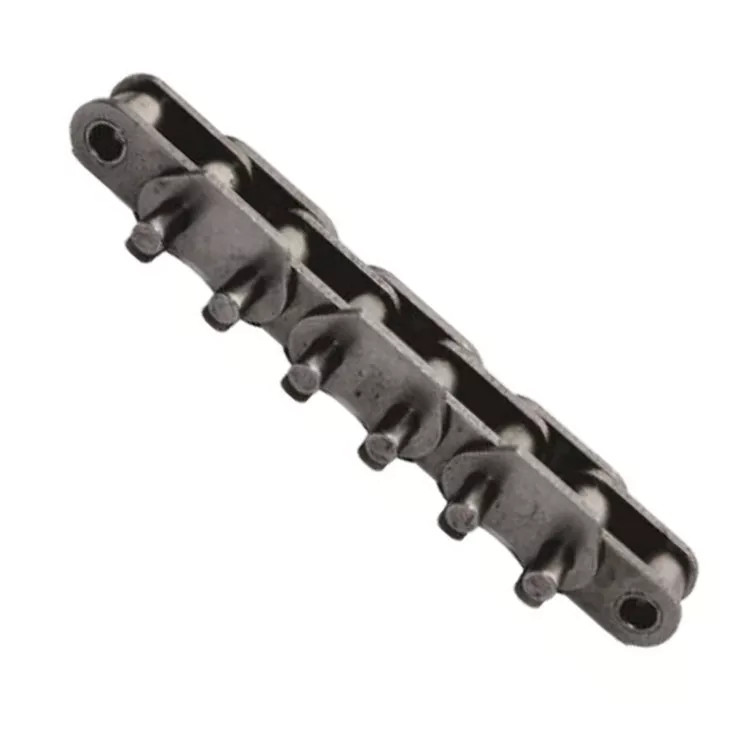
A conveyor chain plays a significant role in the energy efficiency of a conveyor system. Here are the ways in which it impacts energy efficiency:
1. Reduced Power Consumption:
– A well-designed conveyor chain with low friction characteristics can minimize power consumption. By reducing the frictional resistance between the chain and the conveyor components, less energy is required to move the chain and transport the materials along the conveyor system.
2. Efficient Power Transmission:
– The design and construction of a conveyor chain contribute to efficient power transmission. Chains with optimized pitch, roller diameter, and sprocket tooth profile ensure smooth and effective power transfer, minimizing energy losses during operation.
3. Proper Chain Tensioning:
– Maintaining proper chain tension is crucial for energy efficiency. An adequately tensioned chain ensures optimal contact between the chain and the sprockets, minimizing slippage and power loss. Regular inspections and adjustments of chain tension help maximize energy efficiency.
4. Alignment and Tracking:
– Proper alignment and tracking of the conveyor chain are essential for energy efficiency. Misaligned or poorly tracked chains can cause increased friction, leading to higher energy consumption. Regular monitoring and adjustment of the chain’s alignment ensure smooth and efficient operation.
5. Regular Maintenance:
– Performing routine maintenance on the conveyor chain, including lubrication, cleaning, and inspection, helps maintain optimal performance and energy efficiency. Adequate lubrication reduces friction and wear, minimizing power losses and extending the chain’s lifespan.
6. System Design Optimization:
– Considering energy efficiency during the design phase of a conveyor system can significantly impact its overall efficiency. Proper selection of conveyor chain components, such as low-friction materials and efficient drive systems, can help minimize energy consumption and improve the system’s energy efficiency.
By employing these practices and utilizing energy-efficient conveyor chain technologies, businesses can reduce energy costs, minimize environmental impact, and enhance the overall sustainability of their operations.

What are the benefits of using a modular conveyor chain system?
A modular conveyor chain system offers several benefits in terms of flexibility, efficiency, and ease of maintenance. Here are some key advantages:
1. Versatility: Modular conveyor chains are designed with interlocking modules that can be easily connected and disconnected. This allows for flexibility in configuring the conveyor system according to specific layout requirements, production needs, or space limitations. Modules can be added, removed, or repositioned to accommodate changing production processes or product variations.
2. Customizability: The modular design of the conveyor chain system enables customization to meet specific application requirements. Different types of modules are available, including straight sections, curves, inclines, declines, merges, and diverters. Accessories such as side guides, cleats, or product hold-downs can be easily integrated into the system.
3. Quick Installation and Modification: Modular conveyor chains are designed for easy installation and modification. With their snap-in or snap-on connections, modules can be rapidly assembled or disassembled, reducing downtime during system setup or reconfiguration. This feature also facilitates maintenance, repairs, or future expansions.
4. Enhanced Efficiency: The modularity of the conveyor chain system allows for efficient material handling and optimized workflow. The smooth transfer between modules minimizes product jams or misalignments, ensuring a continuous and consistent flow of materials. The ability to incorporate curves or inclines in the system enables efficient use of floor space and facilitates the movement of products through different elevations.
5. Easy Maintenance: Modular conveyor chain systems are designed for ease of maintenance. Individual modules can be easily accessed and replaced without disassembling the entire system. This reduces maintenance time and costs. Additionally, the open structure of the modules allows for easy cleaning, debris removal, and inspection.
6. Durability and Reliability: Modular conveyor chains are typically made from high-quality materials such as plastic or stainless steel, ensuring durability and long-lasting performance. They are resistant to wear, corrosion, and chemical damage, making them suitable for various industrial environments. The interlocking design provides stability and prevents chain slippage during operation.
7. Safety Features: Modular conveyor chain systems can incorporate safety features such as emergency stop buttons, safety guarding, or sensors for detecting blockages or excessive loads. These features help maintain a safe working environment for operators and protect the integrity of the products being transported.
Overall, a modular conveyor chain system offers versatility, customizability, efficiency, and ease of maintenance. It is a reliable solution for material handling in industries such as manufacturing, packaging, distribution, and logistics.
What lubrication is recommended for conveyor chains?
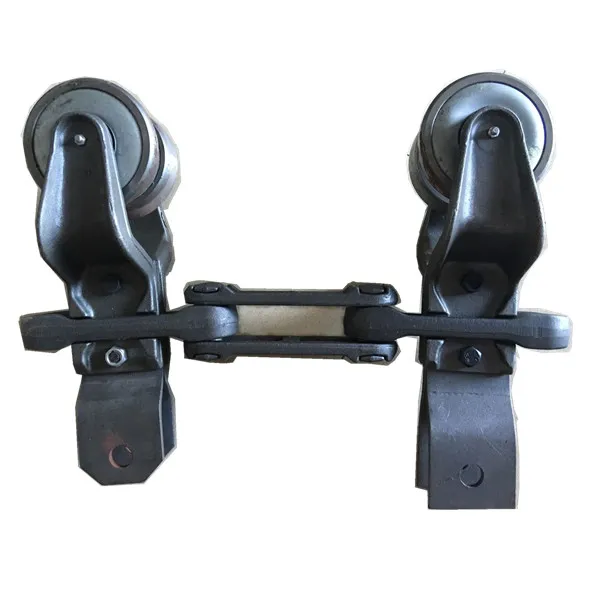
Choosing the right lubrication for conveyor chains is crucial for maintaining their performance and extending their lifespan. Here are some commonly recommended lubricants:
- Chain Oil: Chain oil is specifically designed for lubricating conveyor chains. It provides excellent lubrication, reduces friction, and helps prevent wear and corrosion. Chain oils come in various viscosities to suit different operating conditions.
- Synthetic Lubricants: Synthetic lubricants, such as synthetic oils and greases, offer enhanced performance and durability. They have excellent temperature stability, high resistance to oxidation and degradation, and superior lubricating properties. Synthetic lubricants are suitable for applications with high temperatures, heavy loads, or extreme operating conditions.
- Food-Grade Lubricants: For conveyor chains used in food processing or other industries with strict hygiene requirements, food-grade lubricants are recommended. These lubricants are formulated to be safe for incidental food contact and comply with relevant regulations and standards.
- Dry Film Lubricants: In certain applications where liquid lubricants are not suitable, such as dusty or dirty environments, dry film lubricants can be used. These lubricants form a protective coating on the chain surfaces, reducing friction and preventing wear.
When selecting a lubricant, consider the operating conditions, such as temperature, speed, load, and environmental factors. Consult the manufacturer’s recommendations and guidelines to ensure you choose the appropriate lubrication product for your specific conveyor chain. Regularly monitor the lubrication levels and reapply as needed to maintain optimal chain performance.


editor by CX 2024-03-26