
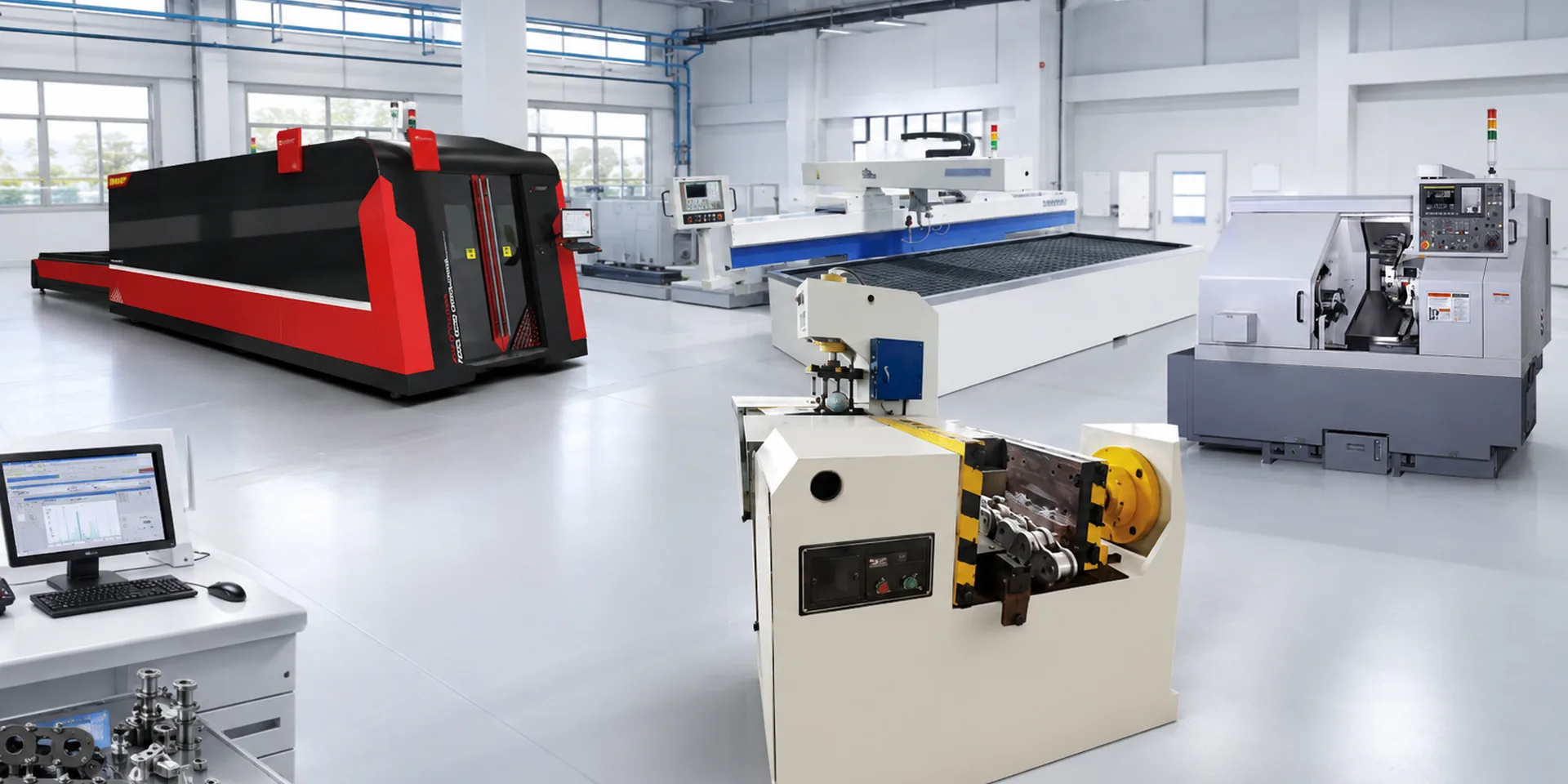
Wastewater-chain engineering for replacement and project supply
Korea Ever-Power Wastewater Treatment Chain Co., Ltd. supplies wastewater treatment chains and related engineered configurations for clarifiers, sludge and grit collectors, bar-screen mechanisms and other wet-service conveying equipment.
Our work centers on the interfaces that make a chain fit the machine: pitch and working width, pin or barrel geometry, attachments, flights, guides, sprockets and take-up. For replacement projects, we can work from a model number, drawing or measured sample; for new equipment, the general arrangement and duty conditions provide the starting point.
The company is based at Sandan-ro, Danwon-gu, Ansan-si, Gyeonggi-do, Korea, serving international industrial enquiries in English.
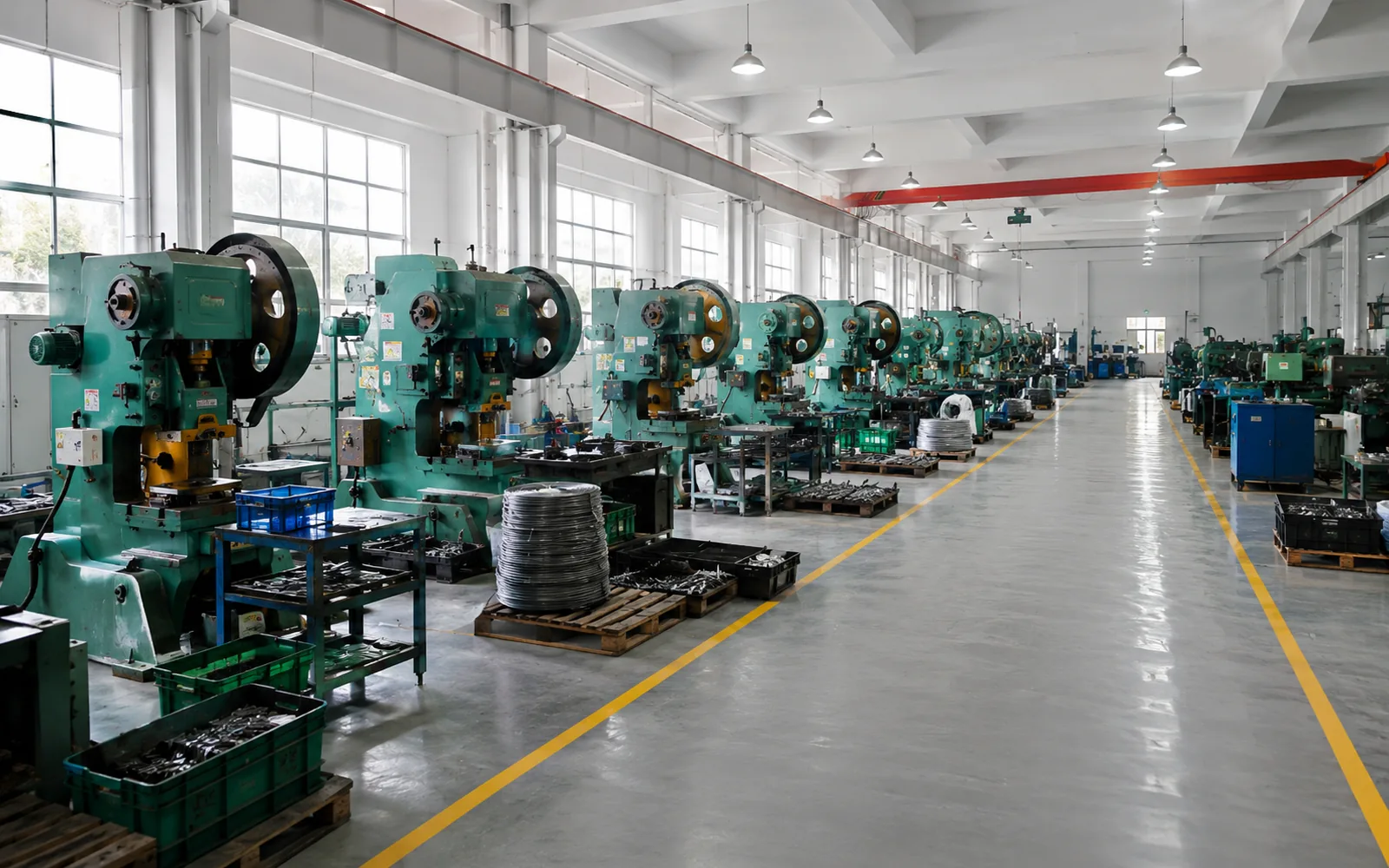
From identification to an agreed production drawing
A typical enquiry begins by identifying the mechanism and the chain family. Critical dimensions are then compared with the installed sprockets and attachments. Where a special attachment, material or process is required, it is defined on the drawing before production.
For repeat work, the drawing revision, attachment schedule, sprocket scope and inspection requirements should stay with the purchase record. That makes later replacements easier to identify and reduces the chance of small field changes becoming undocumented differences.
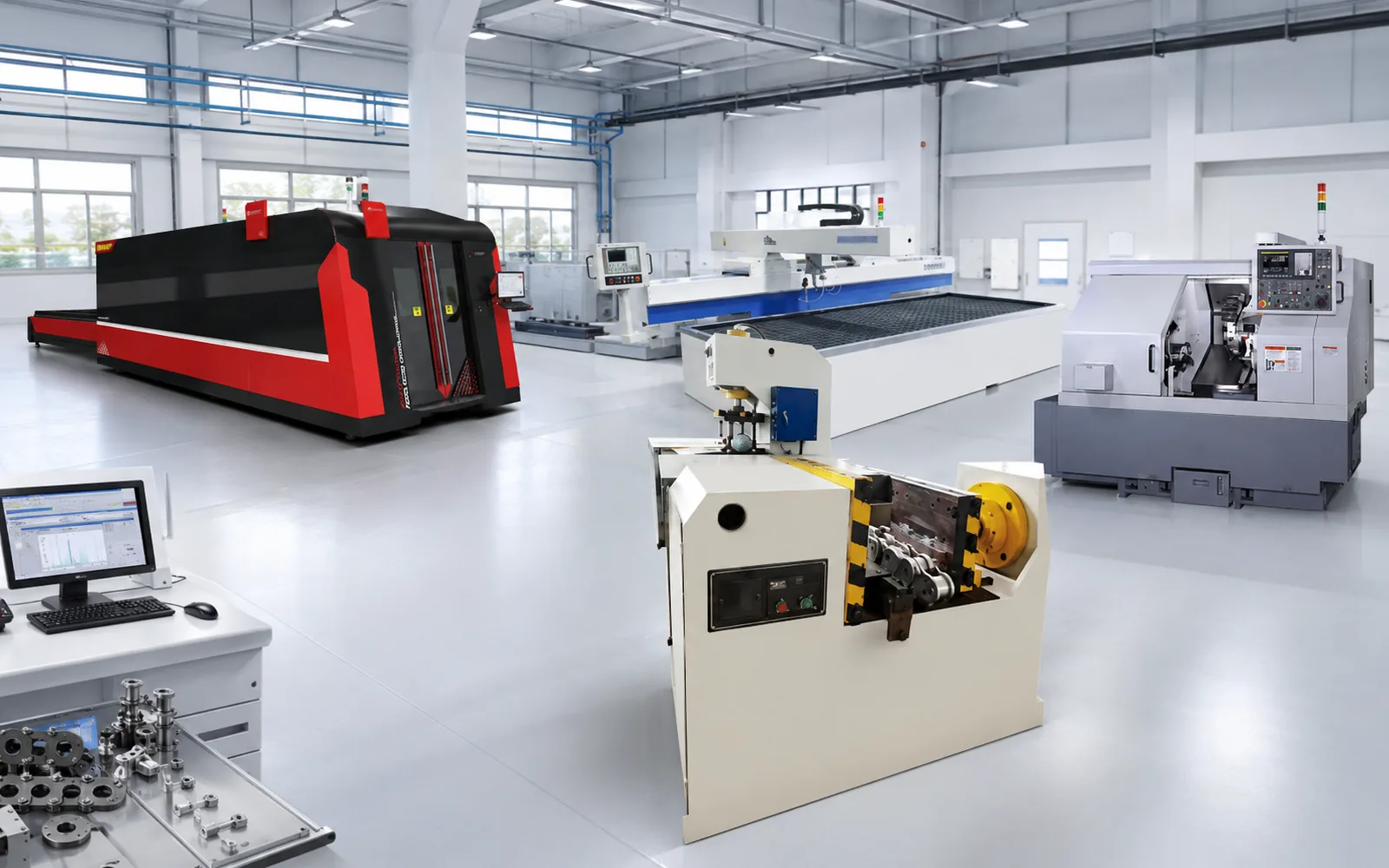
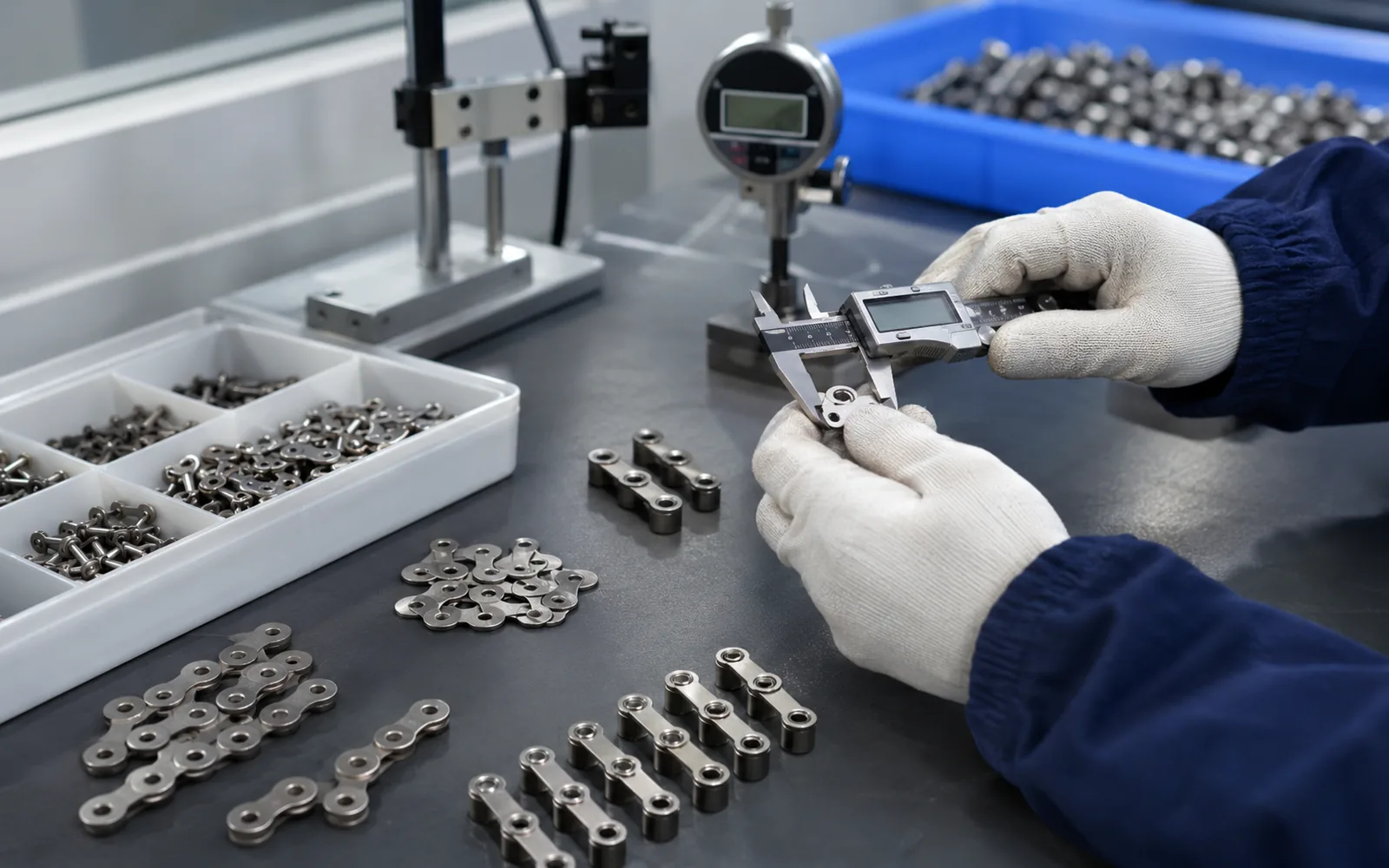
Dimensional checks tied to installation-critical features
Inspection priorities depend on the chain construction, but the dimensions that control field fit deserve particular attention: pitch, working width, pin or bearing geometry, overall width, attachment hole position and assembled length where specified.
If a project needs material certificates, dimensional reports, coating records or other documentation, list those items in the RFQ so they can be reviewed with the production scope.
Engineering information stays tied to the chain and machine interface
We compare a model, drawing or measured sample with the sprocket, guide and attachment interfaces that will remain in service. Worn values are kept separate from the agreed production nominal.
Special attachment drilling, offsets, joining construction and project-required materials or processes are defined before production so the quotation and inspection scope refer to the same drawing.
Approved drawings and installation notes provide a stable reference for later orders. If the equipment is modified, the controlled record should be revised rather than relying only on the old model designation.
For an enquiry, the most useful information is not a long specification narrative. A marked drawing, a few repeatable measurements, clear photographs of the chain in the mechanism and the required quantity usually provide a stronger starting point. Where material, process or inspection details are not defined in the published technical specification, they are treated as RFQ confirmation items rather than assumed.
What to send for a faster technical review
- Model number or existing drawing
- Measured chain dimensions or a marked sample
- Attachment and flight details
- Sprocket tooth count, face width and wear condition
- Application, operating environment and observed failure mode
- Total length, number of strands and required quantity
For multiple models from one treatment plant, group the items by equipment and identify each chain separately. This makes it easier to review technical differences while still quoting the project as one commercial package.