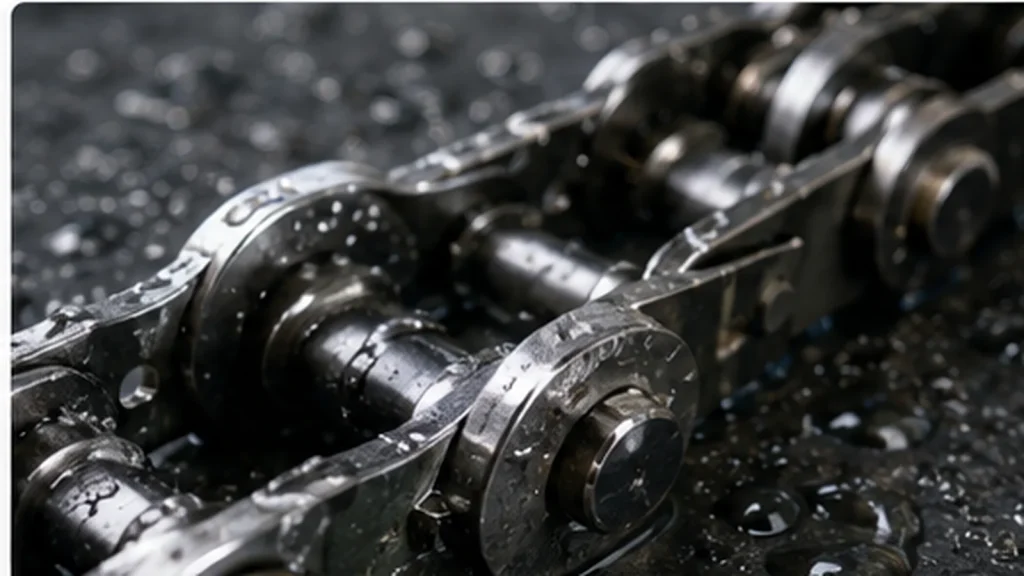
Corrosion Mechanisms in Wastewater Chains
Identify where corrosion is occurring and whether material, chemistry, deposits or galvanic contacts are driving it.
Read guide →
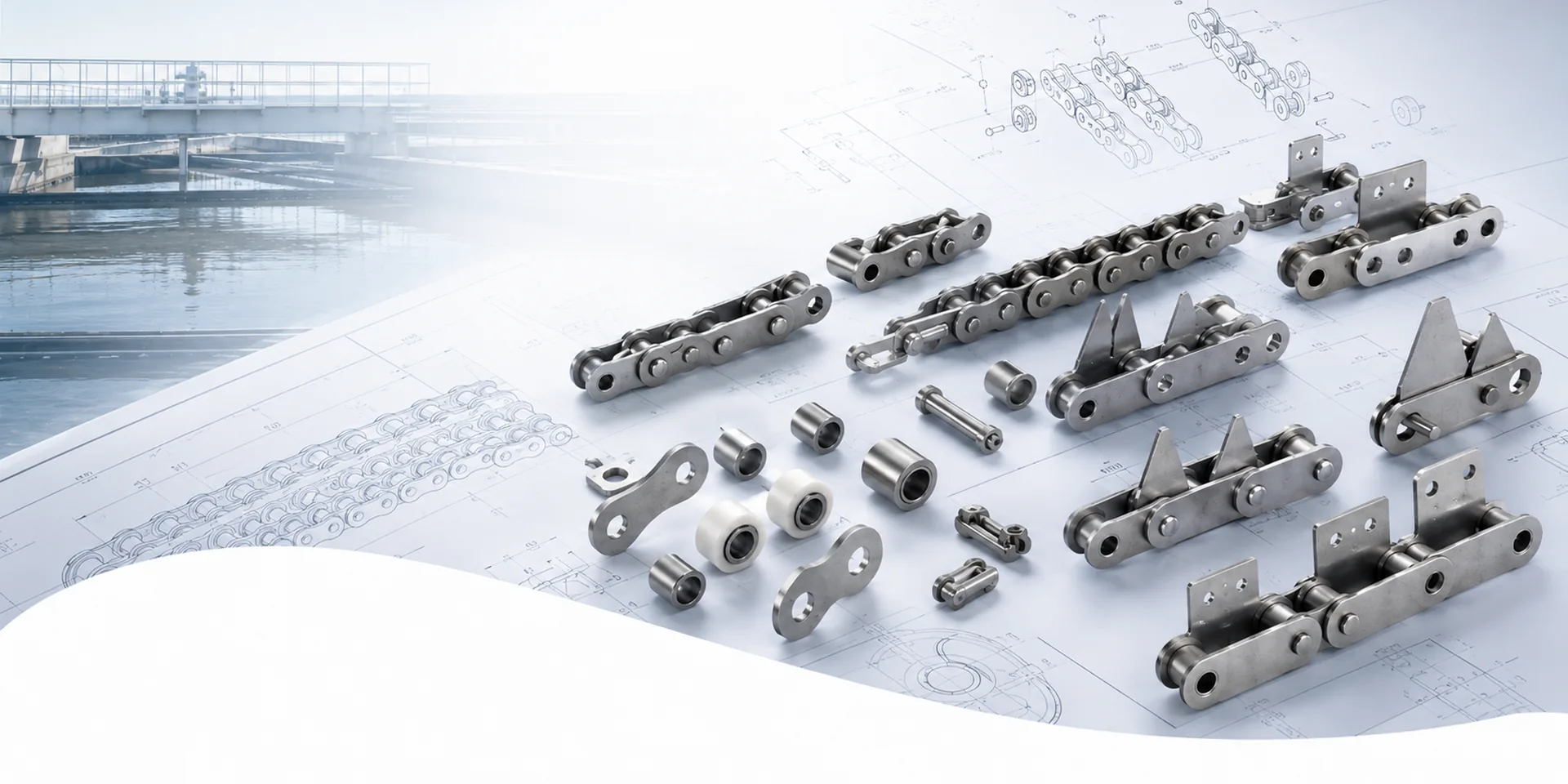
Selection, maintenance, measurement, attachments, sprockets and collector-system guidance.
Identify where corrosion is occurring and whether material, chemistry, deposits or galvanic contacts are driving it.
Read guide →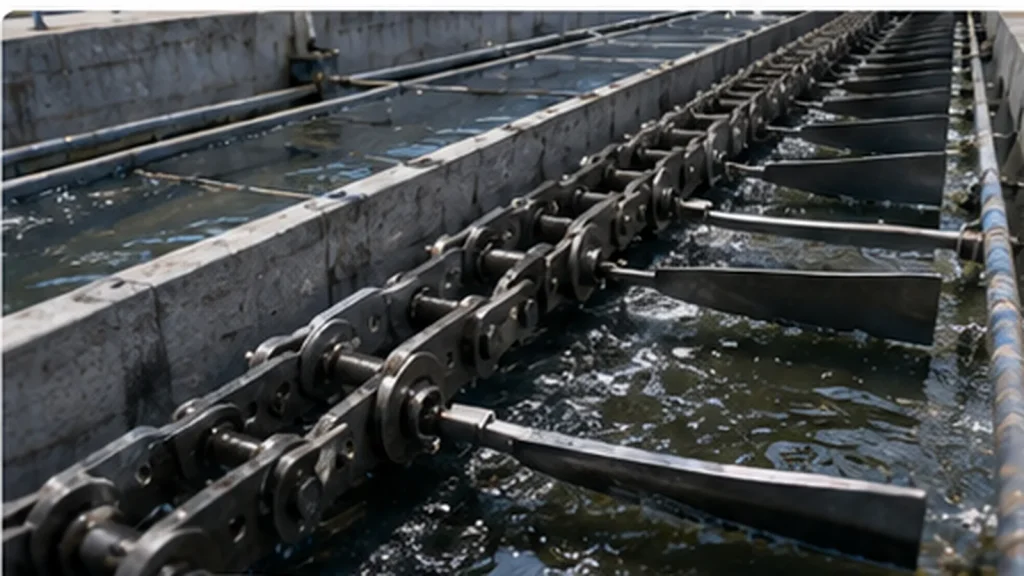
Treat two chains, flights, sprockets, guides and take-up as one load-sharing mechanism.
Read guide →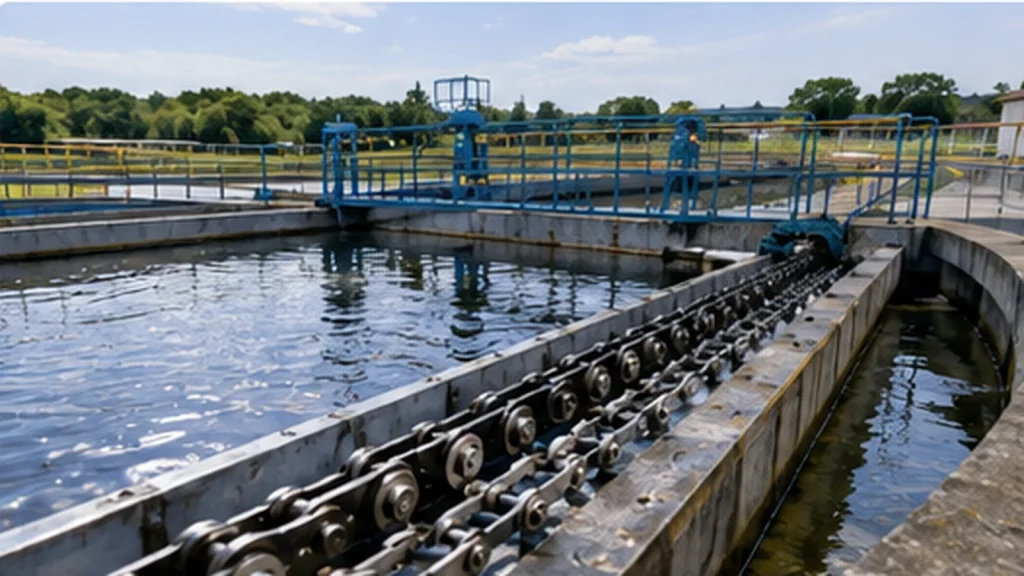
Compare 700 Class pintle chains by full geometry, working-load data, attachments and equipment interface.
Read guide →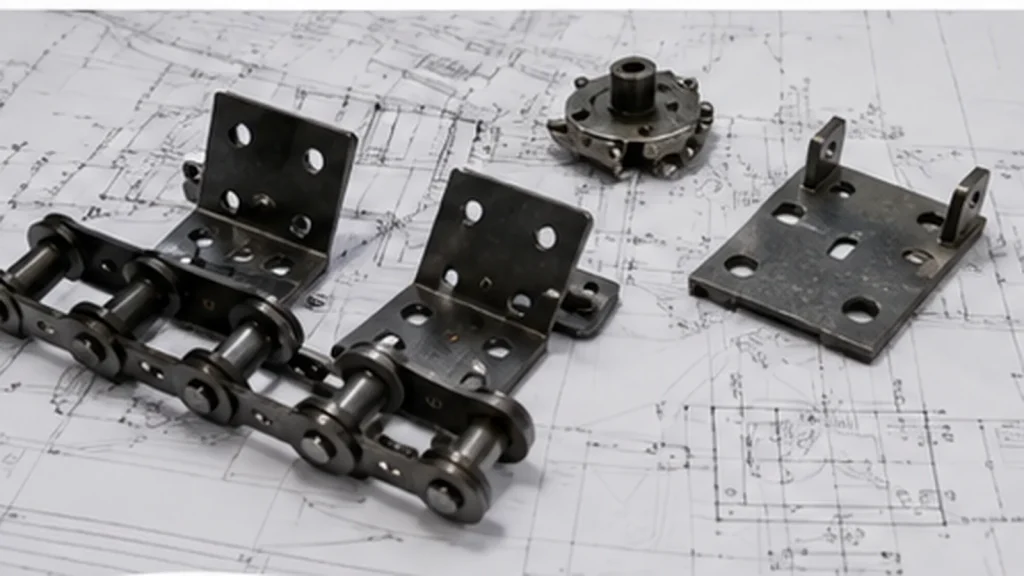
Define attachment geometry so flights or rakes transfer load without twisting the base chain or colliding with guides.
Read guide →Select a chain/rake system that can pass debris loads without losing tracking or attachment alignment.
Read guide →Protect articulation and guides from abrasive grit while keeping the chain and flight load path aligned.
Read guide →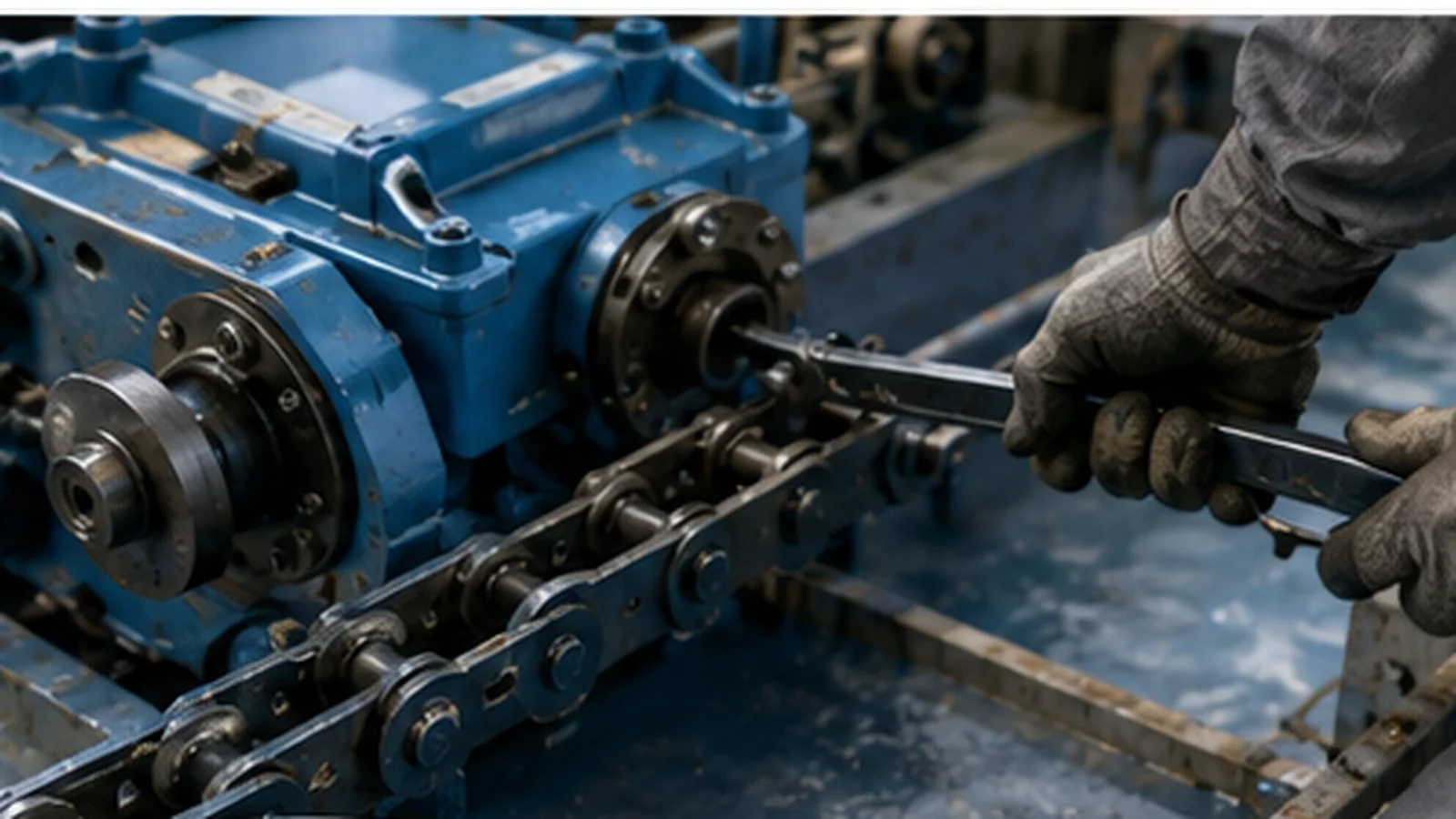
Separate normal articulation wear from alignment, solids accumulation and attachment problems in a sludge collector.
Read guide →Select paired collector chains while preserving strand timing, flight squareness and sprocket alignment.
Read guide →Send enough geometry, machine context and commercial scope for a supplier to quote the same requirement you intend to buy.
Read guide →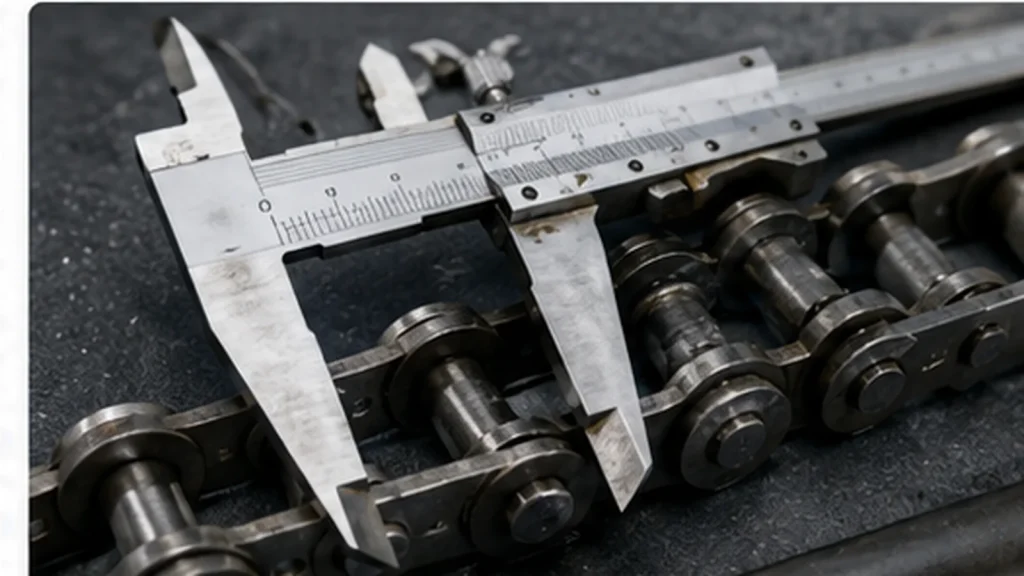
Create a repeatable dimension set from an installed or removed chain without converting wear into nominal geometry.
Read guide →