
Product Description
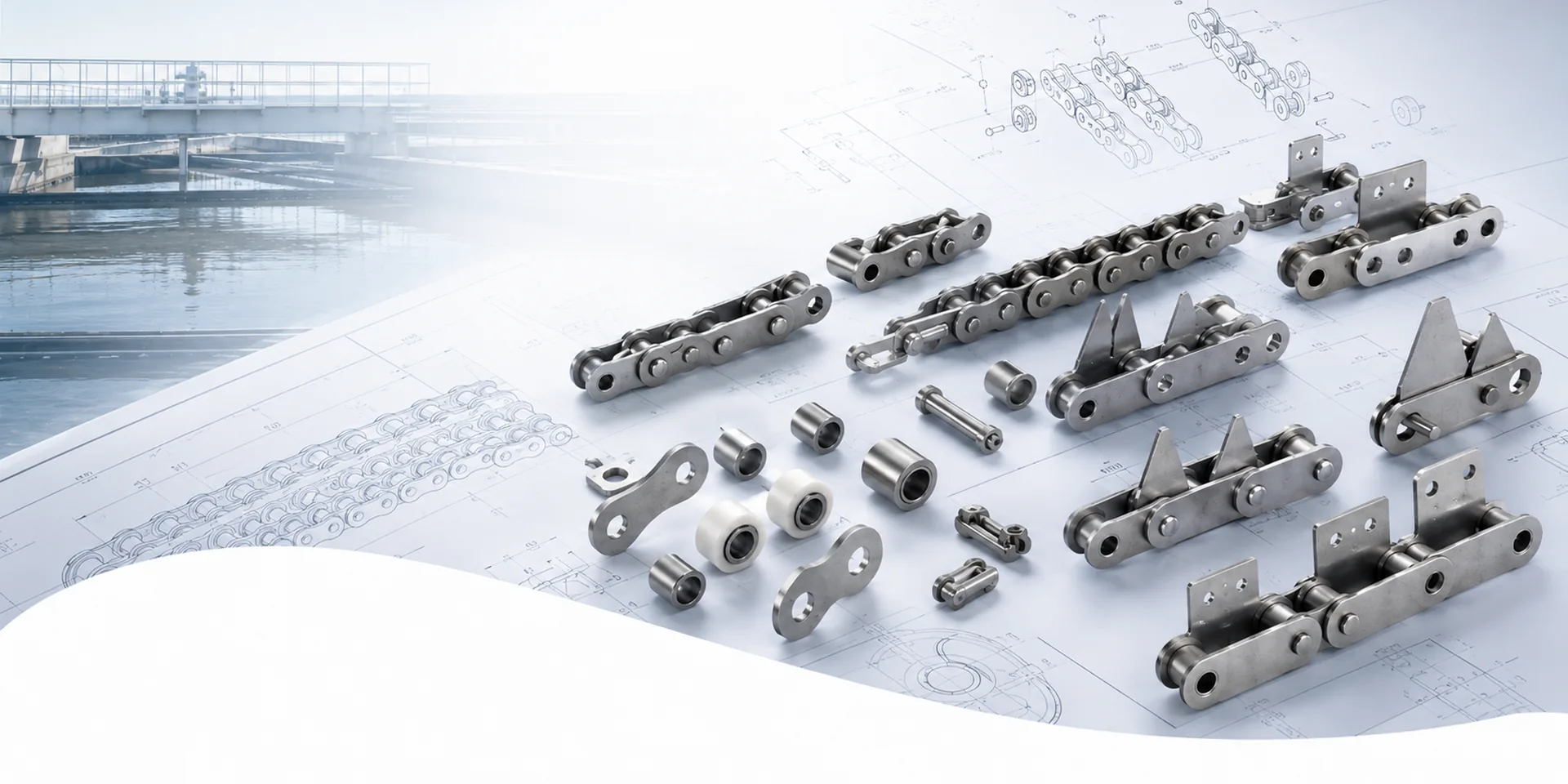
MC Series Hollow Pin Chains:
Carbon Steel and Stainless Steel Hollow Pin Chain for food handling conveyors. Products are available in ANSI standard series, double pitch series with standard rollers, and large rollers.
This chain has hollow pins so that the holes can be used to mount various pins and attachments.
| Product Name |
MC Series Hollow Pin Chains |
| Type | MC28, MC56, MC112, MC224 |
| Colour | primary |
| Material | carbon steel, alloy steel,stainless steel |
| Customize | YES |
| OEM | YES |
| Surface Treatment | rust-preventative oil |
| Shipping Type | sea & air |
| Market | global |
| Payment Terms | T/T in advance |
| Packaging | carton,wooden case,pallet |
Main products:
Transmission Chains:
Standard Roller Chains/ Nickel-Plated Roller Chain/ Stainless Steel Roller Chain/ Bicycle Chain/ Motorcycle Chain/ Chains for Automotive Engines/ Leaf Chains/ Silent Chain.
Conveyor Chains:
Small Size Conveyor Chains/ Large Size Conveyor Chains/ Roller Conveyor Chain/ Hollow Pin Chain/ Drive Chain/ Steel Bushing Chain/ Welded Steel Mill Chain/ Welded Steel Drag Chain/ Barloop Chain/ Drop Forged Rivetless Chain/ Caterpiller Drive Chain/ Cast Combination Chain/ Cast Pintle Chain/ Double Flex Chain/ Specialty Chain/ Plastic Top Chain/ Snap Cover Chain.
Link Chains:
Grade 120 Alloy Chain/ Grade 100 Alloy chain/ Grade 80 Lifting Chain/ Grade 70 Transport Chain/ Grade 50 Stainless Steel Chain/ Grade 43 High Test Chain/ Grade 40 High Test chain/ Grade 30 Proof Coil Chain/ Double Loop Chain/ Single Jack Chain/ Twist Chain/ Register Chain/ Ball Chain/ Oval Link/ Square Chain.
Sprockets:
Single Type A Hub/ Single Type B Hub/ Single Type C Hub/ Single Type D Hub/ Double Strand Type B Hub/ Double Strand Type C Hub/ Hardened Teeth Type A/ Double Single Type A Sprocket/ Double Pitch Strand Type B Hub/ Large Roller Double Pitch Sprocket.
Gear & Rack:
Spur Gears/ Helical Gears/ Bevel Gear/ Hypoid Gears/ Worm Gear/ Internal Helical Gear/ Herringbone Gears/ Rack And Pinion Gears/ Sector Gear/ Internal Ring Gear/ Miter Gears/ Nylon Gear Rack.
Wire Mesh:
Woven Wire Mesh/ Plain Weave/ Twilled Weave/ Plain Dutch Weave/ Twilled Dutch Weave/ Reverse Plain Dutch Weave/ Reverse Twilled Dutch Weave/ Five Heddle Weave/ Super Mesh Weave/ Welded Wire Mesh/ Wire Mesh Belt.
Shackles:
Screw Pin Anchor Shackle/ Round Pin Anchor Shackle/ Bolt Type Safety Anchor Shackle/ Screw Pin Chain Shackle/ Round Pin Chain Shackle/ Bolt Type Safety Chain Shackle.
Hooks:
Clevis Sling Hook/ Clevis Grab Hook/ Eye Sling Hooks/ Eye Grab Hook/ Clevis Foundry Hooks.
Riggings:
Chain Hoists/ Wire Rope Clip/ Link/ Coupling Link/ Quick Link/ Snap Hooks/ Eye Bolt/ Turnbuckle/ Anchor Rod/ Swivels/ Cable Thimble.
Machinery Equipment:
Belt conveyors/ Scraper Conveyor/ Chain Conveyor/ Plate Conveyor/ Roller Conveyor/ Spiral Conveyor/ Elevator Conveyors/ Incline Conveyor/ Vegetable And Fruit Processing Machines/ Food Processing Machinery/ Dairy Processing Equipment/ Slaughtering Equipment/ Brewing Equipment/ Frozen Drink Machine.
Company information:
We are engaged in the import and export of Mechanical Hardware.
We have professional factory. Technology is strong in products of different specifications complete, has strong product development and manufacturing capacity.to provide all kinds of hardware tools products, specifications complete, variety, quality, reasonable price.
Our Advantages:
Our company has over 20 years’ experience producing high-quality hardware products.
The products are reliable and we can manufacture the products according to customers’ requirement.
We can also cooperate with customers to develop new products.
Our products have been certified by CE and ROHS, also can provide customized product Certificate.
We sincerely welcome domestic and foreign, new and old customers to carry on the cooperation and exchange with us, and establish a long-time cooperative relationship.
Company Name: HangZhou CZPT Jin Hao International Trade Co., Ltd.
| Material: | Alloy |
|---|---|
| Structure: | Hollow Chain |
| Surface Treatment: | Oxygenation |
| Chain Size: | 1/2"*11/128" |
| Feature: | Oil Resistant |
| Pin Length: | 45.0mm |
| Samples: |
US$ 10/Piece
1 Piece(Min.Order) | |
|---|
| Customization: |
Available
| Customized Request |
|---|
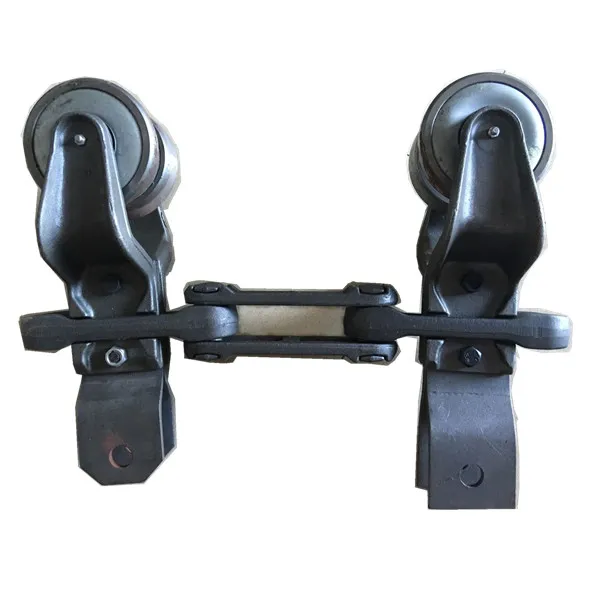
How do you calculate the required horsepower for a conveyor chain drive?
The calculation of required horsepower for a conveyor chain drive involves considering various factors related to the conveyor system and the specific application. Here is a step-by-step process:
1. Determine the Total Resistance:
– Calculate the total resistance that the conveyor chain needs to overcome during operation. This includes the resistance due to the load being conveyed, frictional losses, elevation changes, and any other resistances in the system.
2. Convert the Resistance to Equivalent Inertia:
– Convert the total resistance to an equivalent inertia by multiplying it by the square of the chain speed.
3. Calculate the Total Inertia:
– Determine the total inertia of the system by considering the inertia of all the rotating components, such as the conveyor chain, sprockets, and any other driven elements.
4. Determine the Required Torque:
– Calculate the required torque by multiplying the total inertia by the desired acceleration or deceleration rate.
5. Convert Torque to Horsepower:
– Convert the required torque to horsepower by dividing it by the motor speed (in RPM) and multiplying by a conversion factor.
6. Consider Safety Factors and Efficiency:
– Apply safety factors to the calculated horsepower to account for variations, contingencies, and future growth.
– Consider the efficiency of the drive system, including the motor, gearbox, and other transmission components, to ensure accurate power transmission.
It’s important to note that the above calculation method provides an estimate of the required horsepower. Consulting with conveyor system manufacturers, engineers, or industry-specific guidelines is recommended for precise calculations and to ensure the selected conveyor chain drive meets the application requirements.
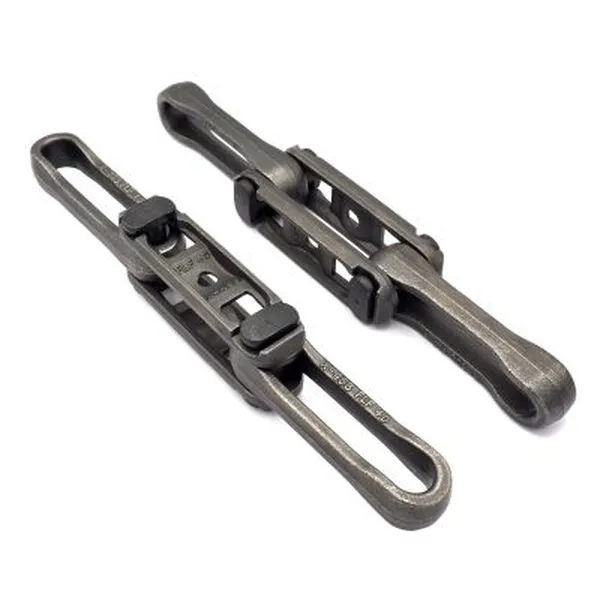
What are the safety measures for working with heavy-duty conveyor chains?
Working with heavy-duty conveyor chains requires strict adherence to safety measures to protect the workers and maintain a safe working environment. Here are some important safety measures to consider:
1. Proper Training: All personnel involved in working with conveyor chains should receive comprehensive training on the safe operation and maintenance of the equipment. This includes understanding the potential hazards, safety procedures, and proper use of personal protective equipment (PPE).
2. Equipment Inspection: Regular inspection of the conveyor chain and associated components is crucial to identify any signs of wear, damage, or malfunction. This includes checking for loose fasteners, worn sprockets, misalignment, and any other potential hazards. Any issues should be addressed promptly to prevent accidents.
3. Lockout/Tagout: Before performing any maintenance or repair tasks on the conveyor chain, proper lockout/tagout procedures must be followed. This ensures that the equipment is de-energized and isolated from any power source to prevent accidental startup or movement.
4. Personal Protective Equipment (PPE): Workers should wear appropriate PPE, including safety glasses, gloves, steel-toed boots, and hearing protection. The specific PPE requirements may vary depending on the nature of the work and the potential hazards involved.
5. Safe Work Practices: Workers should follow safe work practices, such as avoiding loose clothing or jewelry that can get caught in the chain, keeping hands and clothing clear of moving parts, and using proper lifting techniques when handling heavy loads.
6. Emergency Stop Systems: Conveyor systems should be equipped with emergency stop buttons or pull cords that allow workers to quickly stop the chain in case of an emergency or hazardous situation.
7. Regular Maintenance: Scheduled maintenance and lubrication of the conveyor chain should be performed according to the manufacturer’s recommendations. This helps to ensure optimal performance and minimize the risk of unexpected failures.
8. Clear Warning Signs and Labels: Proper signage, warning labels, and safety instructions should be clearly displayed near the conveyor chain system to remind workers of potential hazards and safe operating procedures.
9. Regular Safety Training and Communication: Ongoing safety training and communication among the workforce are vital to reinforce safe practices and raise awareness of any changes or updates to safety protocols.
By implementing these safety measures and fostering a safety-conscious culture, the risks associated with working with heavy-duty conveyor chains can be minimized, ensuring the well-being of the workers and the efficient operation of the equipment.
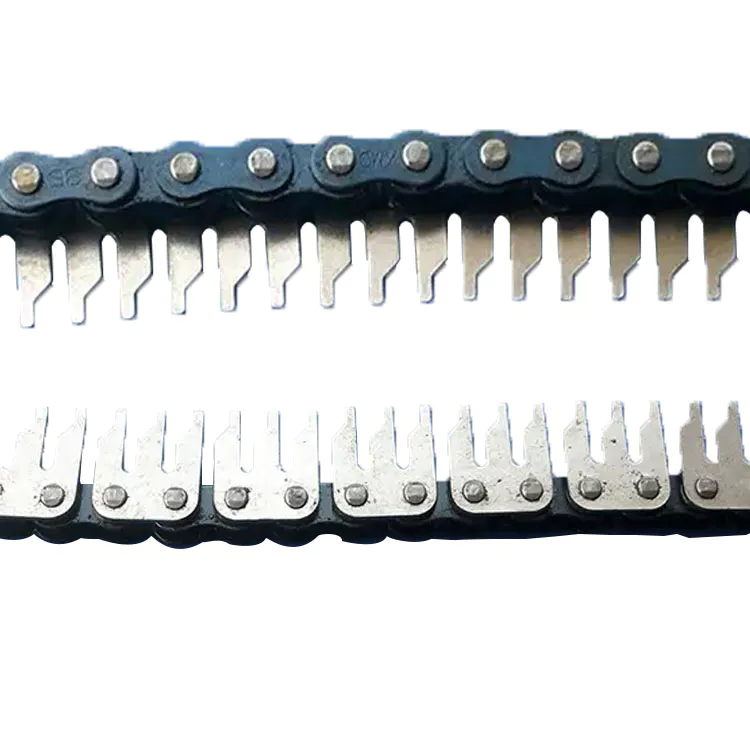
How do you troubleshoot common issues with conveyor chains?
Troubleshooting common issues with conveyor chains involves identifying the problem and taking appropriate steps to resolve it. Here are some common issues and troubleshooting approaches:
- Chain Slippage: If the chain is slipping or not engaging properly with the sprockets, check for proper tensioning, alignment, and lubrication. Adjust the tension if necessary and ensure the chain is properly aligned with the sprockets.
- Chain Jamming: If the chain is frequently jamming or getting stuck, inspect the conveyor for any obstructions or foreign objects that may be causing the issue. Clear any debris or blockages and ensure the chain’s path is clear.
- Excessive Noise: If the chain is making loud or unusual noises, check for proper lubrication. Insufficient lubrication can cause increased friction and noise. Apply the appropriate lubricant according to the manufacturer’s recommendations.
- Chain Breakage: If the chain is breaking frequently, inspect for any damaged or worn-out components. Replace any broken or worn links, pins, or attachments. Also, check for proper tensioning and alignment, as excessive tension or misalignment can lead to chain breakage.
- Chain Wear: If the chain shows signs of wear, such as elongation or corrosion, consider replacing it. Excessive wear can affect the performance and lifespan of the chain. Regularly inspect and measure the chain for wear and replace it when necessary.
It’s important to follow proper maintenance practices, including regular inspection, lubrication, and tensioning, to prevent and address common issues with conveyor chains. Consult the manufacturer’s guidelines and seek professional assistance if needed.


editor by CX 2023-08-17