
Product Description
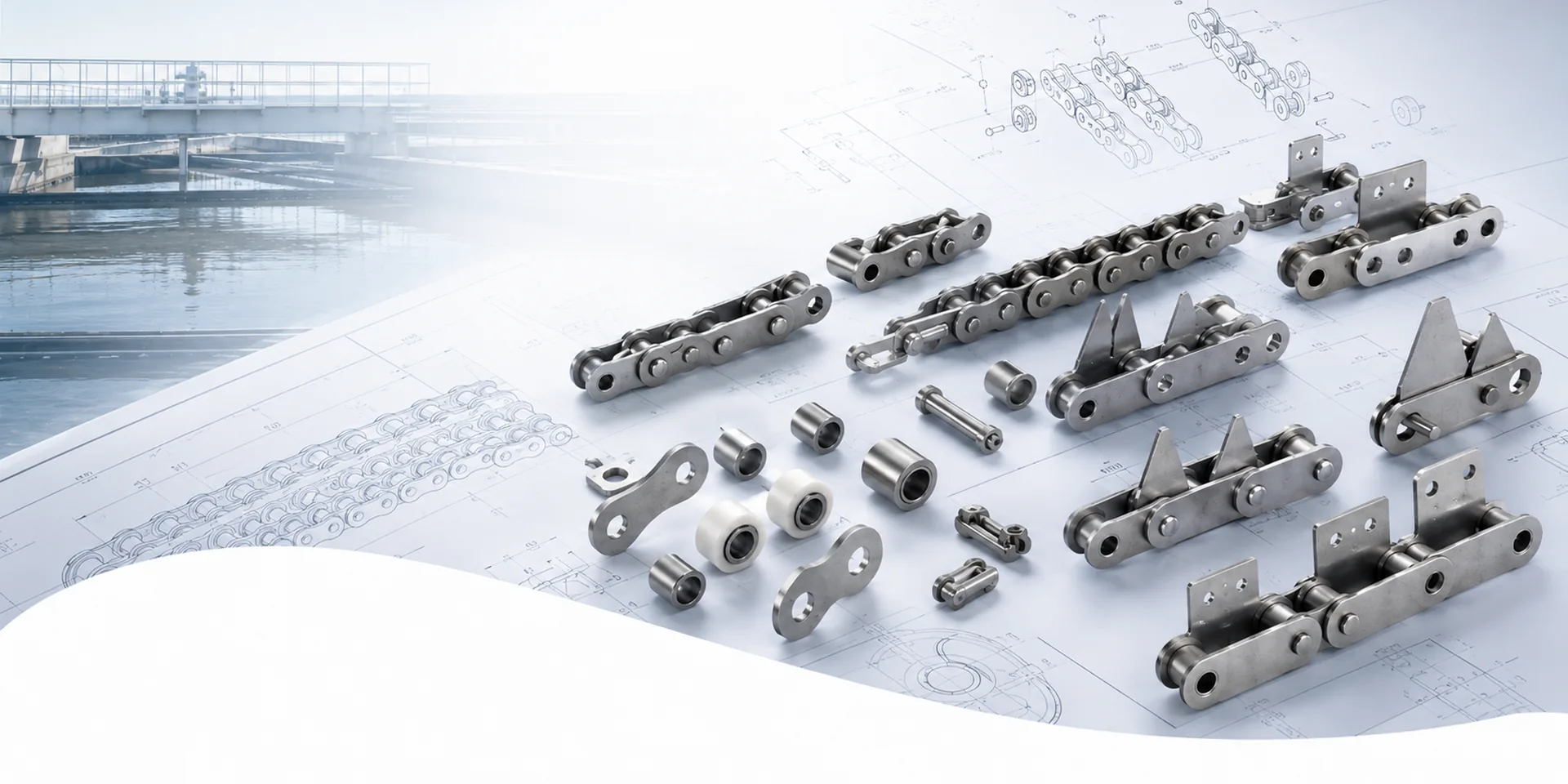
Chifine mainly provides Overhead Drop Forged Rivetless Chain, Drop Forged Suspending Chains, drop forged link,forged scraper chains.
1.Drop forged detachable chains X348,X458,X678,X698,F100,F160,P80,P100,P200 and etc…
2.Cat Pilar Chains for X348,X458,X678,X698
3.Scraper chains P142,P142V,P142H,P200,P100,P102,P250,P260
4.Detachable chain 51,52,55,57,62,74,78
5.Relevant overhead trolley&carriages&spare parts
6.as per your drawings or samples
Process: Forging and Machining
Raw Material: Quality Carbon Steel & Alloy Steel
Product Status: Semi-finished Forgings Or Finished Products
Processing Machine: 300-2500T Friction Press
Processing Crafts: Hot Drop Forging & Machining
Surface Treatment: Spray Coating & Chemistry & Shot Blasting & Anti-dust Treatment
Detection: In Accordance With The Customer’s Requirements
Product Specification: In Accordance With The Customer’s Requirements(Drawing Or Sample)
Package: In Accordance With The Customer’s Requirements
Inspection:
1. The whole quality control management has been strictly carried out from raw material coming to
Final products
2. Third party inspection available CHINAMFG requirement.
Our many Main Export Market:
Exported to U. S. A, U. K, Germany, Italy, Japan, Swiss, Australia, Korea, and South-east Asia and get good credits form them.
Our target:
To supply top quality products with reasonable price, circumspect and satisfactory service with Punctual
Delivery time.
Our Competitive Advantages:
1. Much experiencing in forging part
2. Disciplined staffs and scientific operation;
4. Product performance;
5. Advanced produce and inspecting equipments;
6. Prompt Delivery;
7. Quality control system: ISO 9001: 2000& 14001: 2004&ISO/TS16949
8. Best Service;
|
ODM& OEM SERVICES |
|
| Service | Drawings or samples processing/OEM/ODM service provided |
| Produce Process | Drawings→ mould making → pre-forging →rough machining
or finish machining →surface treatment →product checking → packing →delive ry |
| Forging Material | Carbon Steel, Alloy steel,Stainless steel |
| Standard | ISO, GB, ASTM, DIN, JIS |
| Produce Equipment | Friction Screw Press Series, CNC Lathe, Machining Center
(Vertical Spindles), CNC Milling Machine, Bench Drilling Machine, Heat Treatment Equipments and so on. |
| Surface treatment | Heat treatment, Polishing, shot blasting,
Painting, Electro-plating, Chemical Plating, |
| Inspection
Equipments |
Metallurgical analysis , Tensile strength tester , Hardness
tester, Altimeter, Scale Micrometer, pressure tester, etc. |
| Delivery | Sample s are sent by express
Large quantity products delivered to customer by sea or according to your request |
/* January 22, 2571 19:08:37 */!function(){function s(e,r){var a,o={};try{e&&e.split(“,”).forEach(function(e,t){e&&(a=e.match(/(.*?):(.*)$/))&&1
| Processing Object: | Metal |
|---|---|
| Molding Style: | Forging |
| Molding Technics: | Hot Forging |
| Application: | Machinery Parts |
| Material: | Steel |
| Heat Treatment: | Annealing |
| Customization: |
Available
| Customized Request |
|---|
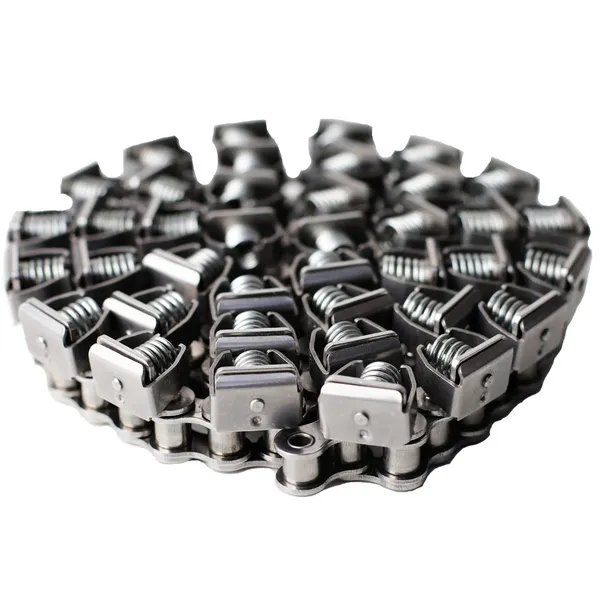
How do you calculate the maximum allowable tension in a conveyor chain?
The maximum allowable tension in a conveyor chain can be calculated using the following steps:
1. Determine the Chain Pitch:
– Measure the distance between the centers of two consecutive chain pins. This measurement is known as the chain pitch and is typically expressed in inches or millimeters.
2. Determine the Chain Speed:
– Determine the speed at which the conveyor chain will be operating. The chain speed is typically expressed in feet per minute or meters per second.
3. Calculate the Chain Pull:
– Determine the total weight or force that needs to be moved by the conveyor chain. This includes the weight of the conveyed material and any additional loads or forces acting on the chain.
4. Calculate the Required Tension:
– Use the following formula to calculate the required tension:
Tension = (Chain Pull × Chain Speed) / (Chain Pitch × Efficiency)
– The efficiency factor accounts for losses due to friction and other factors and is typically expressed as a decimal between 0 and 1.
5. Determine the Maximum Allowable Tension:
– The maximum allowable tension is determined by the manufacturer’s specifications for the conveyor chain. It is important to consult the manufacturer’s documentation or contact them directly to obtain the maximum allowable tension value.
6. Compare the Required Tension and Maximum Allowable Tension:
– Compare the calculated required tension with the maximum allowable tension. The required tension should be less than or equal to the maximum allowable tension to ensure safe and reliable operation of the conveyor chain.
By following these steps and considering the manufacturer’s specifications, you can accurately calculate the maximum allowable tension in a conveyor chain and ensure that it is within the safe operating limits.
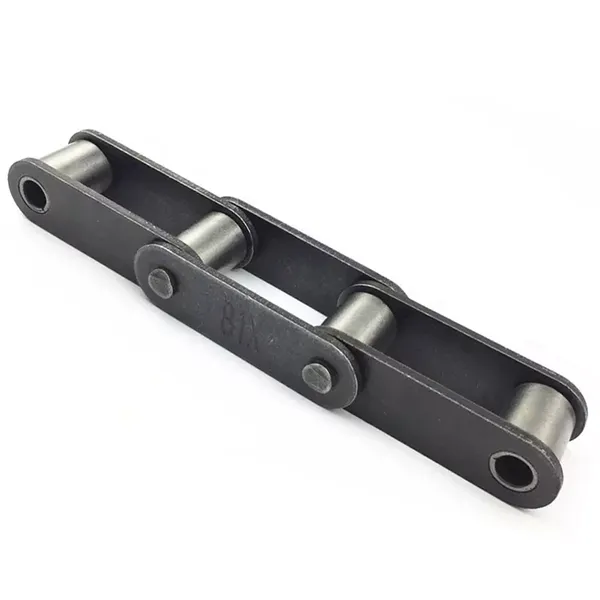
What are the future trends and advancements in conveyor chain technology?
The field of conveyor chain technology is constantly evolving, driven by the need for improved efficiency, productivity, and sustainability. Here are some of the future trends and advancements in conveyor chain technology:
1. Automation and robotics: The integration of conveyor chains with automation and robotics systems is a growing trend. This includes the use of advanced sensors, machine vision, and artificial intelligence to enable autonomous operation, precise positioning, and efficient material handling.
2. Smart and connected systems: Conveyor chains are becoming increasingly connected through the Internet of Things (IoT) technology. This allows for real-time monitoring, data collection, and analysis of various performance parameters such as chain wear, tension, temperature, and energy consumption. Smart systems can optimize maintenance schedules, detect potential failures, and improve overall system efficiency.
3. Lightweight and high-strength materials: The development of lightweight yet high-strength materials is an ongoing focus in conveyor chain technology. Advanced alloys, composites, and engineered plastics offer improved strength-to-weight ratios, reducing energy consumption and increasing the load capacity of conveyor systems.
4. Energy efficiency: Energy efficiency is a key consideration in conveyor chain design. Future advancements aim to minimize power consumption through the use of efficient drive systems, regenerative braking, and smart control algorithms that optimize speed and acceleration profiles. Energy recovery technologies, such as regenerative drives, can also capture and reuse energy during deceleration or braking.
5. Sustainability and environmental friendliness: Conveyor chain technology is moving towards more sustainable and environmentally friendly solutions. This includes the use of eco-friendly materials, improved lubrication techniques to minimize environmental impact, and the adoption of energy-efficient components and systems. Recycling and circular economy concepts are also gaining prominence in the design and manufacturing of conveyor chains.
6. Advanced wear monitoring and predictive maintenance: The future of conveyor chain technology involves advanced wear monitoring systems that can accurately predict the remaining useful life of chains and components. This enables proactive maintenance planning and reduces unplanned downtime. Predictive maintenance algorithms analyze data collected from sensors and provide timely alerts for chain replacement or repair.
These are just a few examples of the future trends and advancements in conveyor chain technology. As technology continues to advance, we can expect further innovations that enhance performance, efficiency, reliability, and sustainability in conveyor systems.
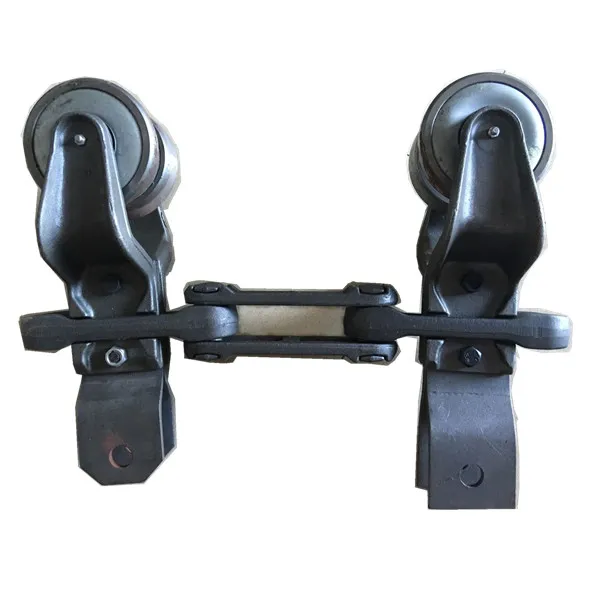
How do you optimize the efficiency of a conveyor chain system?
To optimize the efficiency of a conveyor chain system, several factors should be considered and implemented:
1. System Design: Ensure that the conveyor system is properly designed to minimize energy losses, reduce friction, and optimize material flow. Consider factors such as conveyor length, incline/decline angles, and the number and placement of drive units to achieve efficient operation.
2. Chain Selection: Select the appropriate conveyor chain based on the specific application requirements, such as load capacity, speed, and environmental conditions. Consider factors like chain material, pitch, and strength to ensure optimal performance and longevity.
3. Lubrication: Proper lubrication of the conveyor chain is essential for reducing friction, wear, and power consumption. Choose the right lubricant for the application and regularly maintain the lubrication levels to ensure smooth chain operation.
4. Tensioning and Alignment: Regularly inspect and adjust the tension and alignment of the conveyor chain to prevent excessive slack or tightness. Proper tensioning and alignment help to minimize chain wear, reduce energy losses, and ensure consistent performance.
5. Preventive Maintenance: Implement a regular maintenance program to identify and address potential issues before they escalate. This includes cleaning the chain, inspecting sprockets and guides, replacing worn components, and checking for proper tension and alignment. A well-maintained system reduces downtime and extends the life of the chain.
6. System Monitoring: Utilize monitoring tools such as sensors, cameras, or automated systems to track the performance of the conveyor chain system. Monitoring can provide valuable data on chain tension, alignment, speed, and power consumption, allowing for timely adjustments and optimization.
7. Training and Operator Awareness: Train operators on best practices for operating and maintaining the conveyor chain system. Promote awareness of energy efficiency, proper handling, and safety protocols to ensure optimal system performance.
By considering these factors and implementing appropriate measures, the efficiency of a conveyor chain system can be optimized, leading to improved productivity, reduced energy consumption, and longer chain life.


editor by CX 2024-04-12