
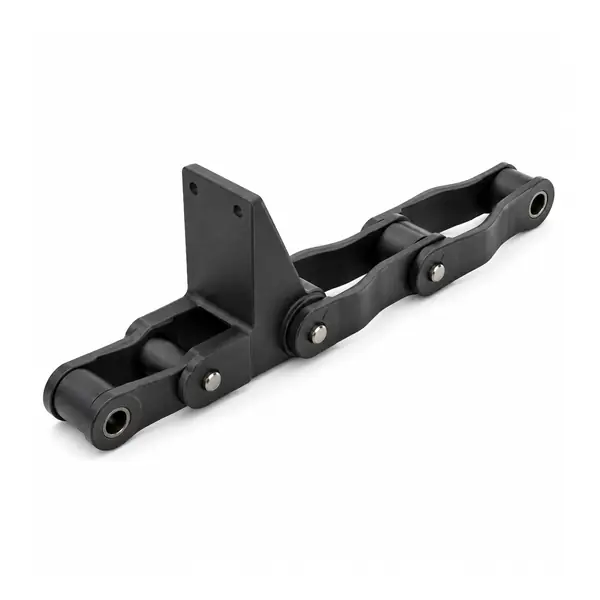
MS 730 700 Class Pintle Chain
MS 730 700 Class Pintle Chain: model-specific dimensions and engineering guidance for industrial wastewater-chain replacement or project RFQs. Confirm attachments, sprockets, operating duty and quantity with the enquiry.
Industrial RFQDimensional dataAttachment & sprocket reviewWhere MS 730 700 Class Pintle Chain fits in the mechanism
MS 730 700 Class Pintle Chain is a MS 730 6-inch pitch pintle-chain option for collector systems that match the MS 730 geometry and duty. The useful starting point is the installed machine: identify the working and return runs, drive and take-up positions, attachments or flights, guide clearances and the sprockets that will remain in service. That system view prevents a chain with a familiar model name from being selected without checking the interfaces that actually control fit.
For replacement work, prioritize MS 730 link construction, attachment interface, sprocket seating and guide envelope. MS 730 and 730 share a nominal 6-inch pitch but should be checked as separate configurations. The quotation should identify the construction and attachment arrangement rather than relying on the family name alone. If the plant has been repaired over time, compare the removed sample with the current sprocket, guide and flight arrangement rather than assuming an older drawing still represents every field detail.
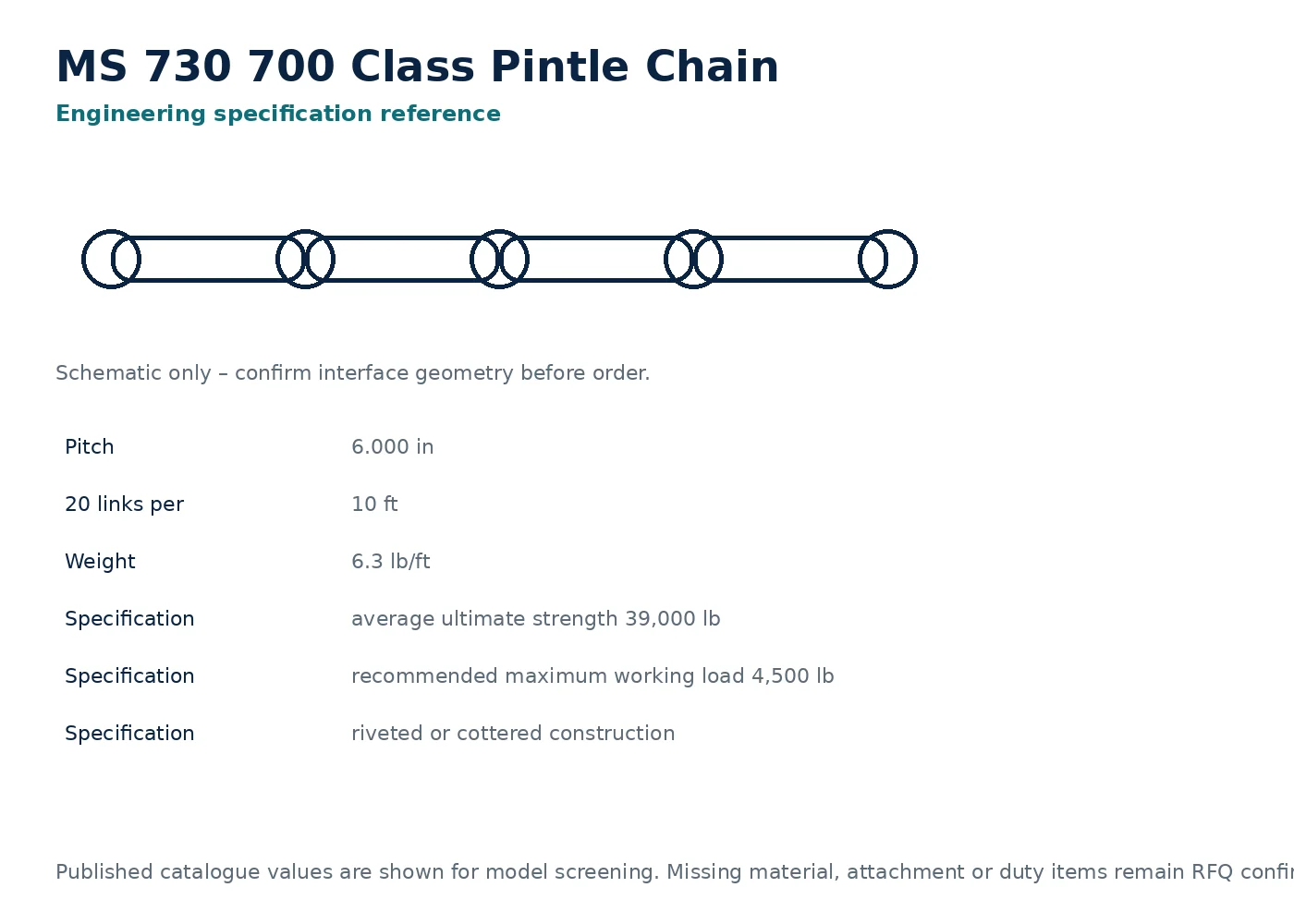
Technical data for MS 730 700 Class Pintle Chain
The table below reproduces the model-specific dimensions and ratings used for identification and quotation. Values are kept in the units shown for this chain. Where a dimension is identified only by a drawing symbol, the symbol is preserved and the adjacent dimension drawing defines its measurement points.
| Parameter / symbol | Value |
|---|---|
| Pitch | 6.000 in |
| Links per 10 ft | 20 |
| Weight | 6.3 lb/ft |
| Average ultimate strength | 39,000 lb |
| Recommended maximum working load | 4,500 lb |
| Construction options | Riveted or cottered |
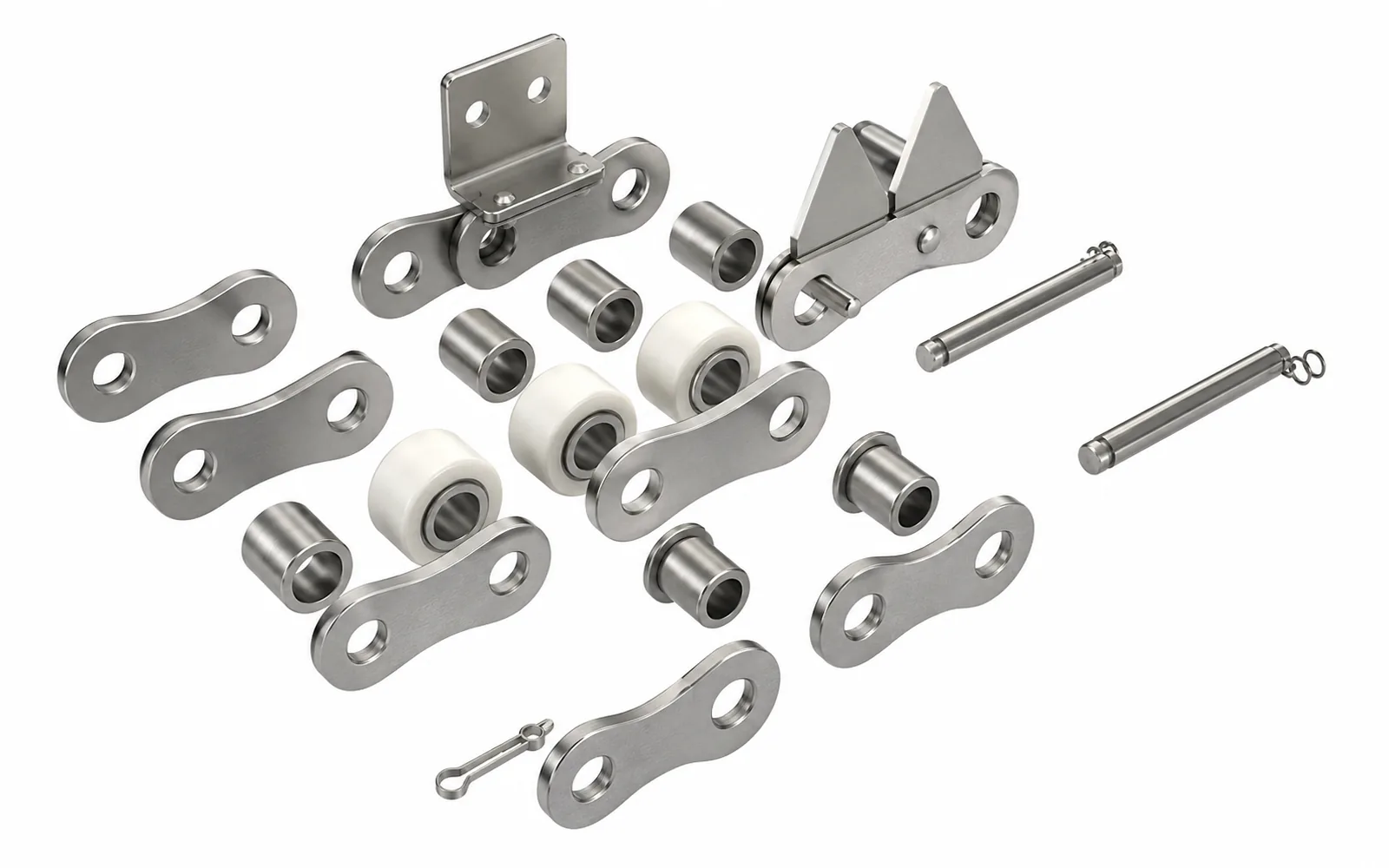
The 700 Class water-treatment family describes T-head pins that resist rotation, closed bearing construction intended to limit grit entry, and heat-treated carbon-steel pins. Riveted construction is recommended for sewage duty, while cottered construction is also listed; stainless-steel cotters can be specified. A, F, K and M style flight attachments are included within the family range. Confirm the attachment and material arrangement for the exact model being ordered.
For replacement work, compare these values with the installed chain, attachments, sprockets and guides. A matching pitch alone is not sufficient evidence of interchangeability.
Dimensions that control replacement fit
Pitch is the first filter for MS 730 700 Class Pintle Chain, but it is not the acceptance test. Working width, pin or barrel diameter, overall pin length, link/plate depth and attachment geometry determine whether the chain can articulate through the guide system and seat correctly on the sprocket.
If MS 730 700 Class Pintle Chain has visible elongation, do not back-calculate every nominal dimension from the most worn area. Measure a long multi-pitch span, compare less-worn locations, and use sprocket and attachment interfaces as independent checks. On paired collector strands, record both sides so uneven wear is not mistaken for a manufacturing difference.
When checking MS 730 700 Class Pintle Chain, mark every field measurement on a sketch with clear reference points. A dimension without reference points is ambiguous if one person measures over pin heads and another between link faces. The replacement record should be repeatable by a second inspector.
Evaluate the chain inside the wastewater process
The operating environment for MS 730 700 Class Pintle Chain should be described in machine terms: process type, submerged or exposed sections, solids and grit, cleaning chemistry, temperature, start-stop frequency and any known blockage or shock events. These observations help identify whether the main risk is corrosion, abrasive wear, articulation resistance, attachment loading or a mechanical alignment problem.
For MS 730 700 Class Pintle Chain in collector or chain-and-flight equipment, trace how the process element transfers load into the chain. Record flight or rake spacing, fastener positions, offsets and paired-strand spacing. On debris-handling equipment, note pickup and discharge zones because local load peaks can govern attachment demand.
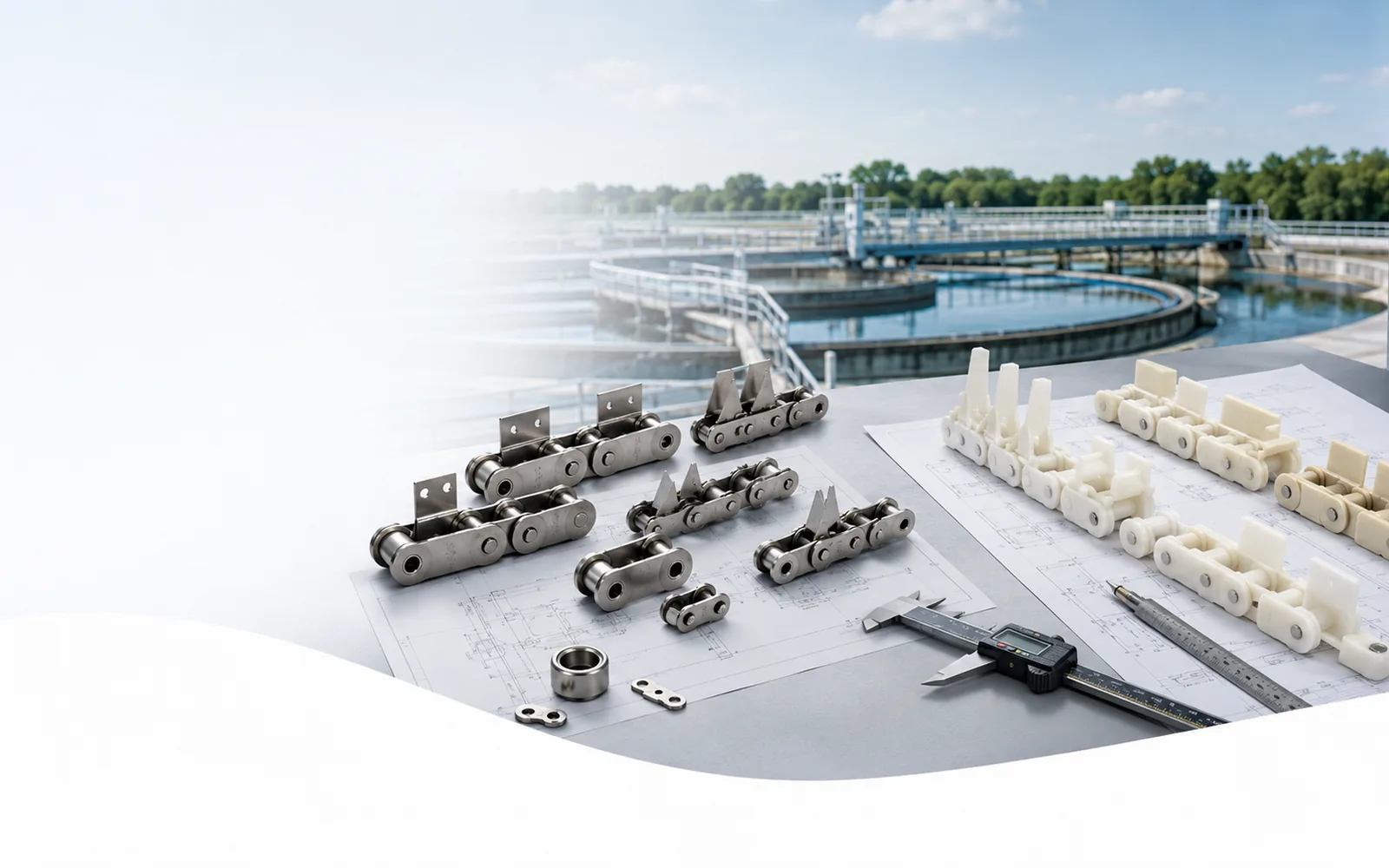
Application scenes illustrate typical equipment arrangements; final suitability must be checked against the actual machine dimensions and duty. The application engineering pages provide process-specific checklists for clarifiers, sludge collectors, grit collectors and bar screens.

Check attachments, sprockets and guides as one system
Record attachment type, repeat interval, hole centers, offset, fastener arrangement and the direction of the working load. A base chain match does not confirm the attachment.
Count teeth and record face width, shaft/bore arrangement, alignment and tooth wear. A new chain can seat poorly on a sprocket worn to an elongated old chain.
Check pin-head and plate clearance, return supports, take-up travel and the initial setting. Polished guide surfaces can reveal a width or alignment problem.
For an uncertain MS 730 700 Class Pintle Chain installation, photograph one complete attachment station, the chain seated on both drive and take-up sprockets, and any area with localized rubbing or debris accumulation. Include a ruler or known reference dimension when scale matters.
Turn field information into a controlled RFQ
For MS 730 700 Class Pintle Chain, separate the RFQ into dimensions that must remain fixed, choices that may change, and items still requiring confirmation. That keeps quotations comparable and prevents a material or attachment change from being hidden inside an otherwise similar model description.
For MS 730 700 Class Pintle Chain, include the model name if known, a dimensioned sketch or drawing, total chain length or number of pitches, strand count, joining method, attachment details, sprocket data, application and quantity. If special inspection documents or material/process requirements are needed, state them before quotation so they can be included in the manufacturing scope.
If field measurements for MS 730 700 Class Pintle Chain disagree with an archived drawing or removed sample, identify which installed components will remain. The production drawing should carry one agreed dimension set and revision so engineering, purchasing, production and incoming inspection use the same reference.
Create a baseline that can be repeated at the next shutdown
Before installing MS 730 700 Class Pintle Chain, verify sprocket alignment, chain direction, free articulation, attachment timing and guide clearance. On paired strands, compare chain length and attachment stations before flights are installed so the mechanism is not forced square by fasteners.
After MS 730 700 Class Pintle Chain is initially adjusted, record take-up position and a repeatable multi-pitch measurement when practical. Add photographs of a typical attachment and representative sprocket teeth so later wear inspections can be compared with a documented starting condition.
During MS 730 700 Class Pintle Chain service, look for uneven take-up movement, polished pin heads, one-sided guide contact, hooked tooth profiles, seized articulation and loose attachment hardware. A localized pattern often points to alignment, guide or debris problems rather than material alone.
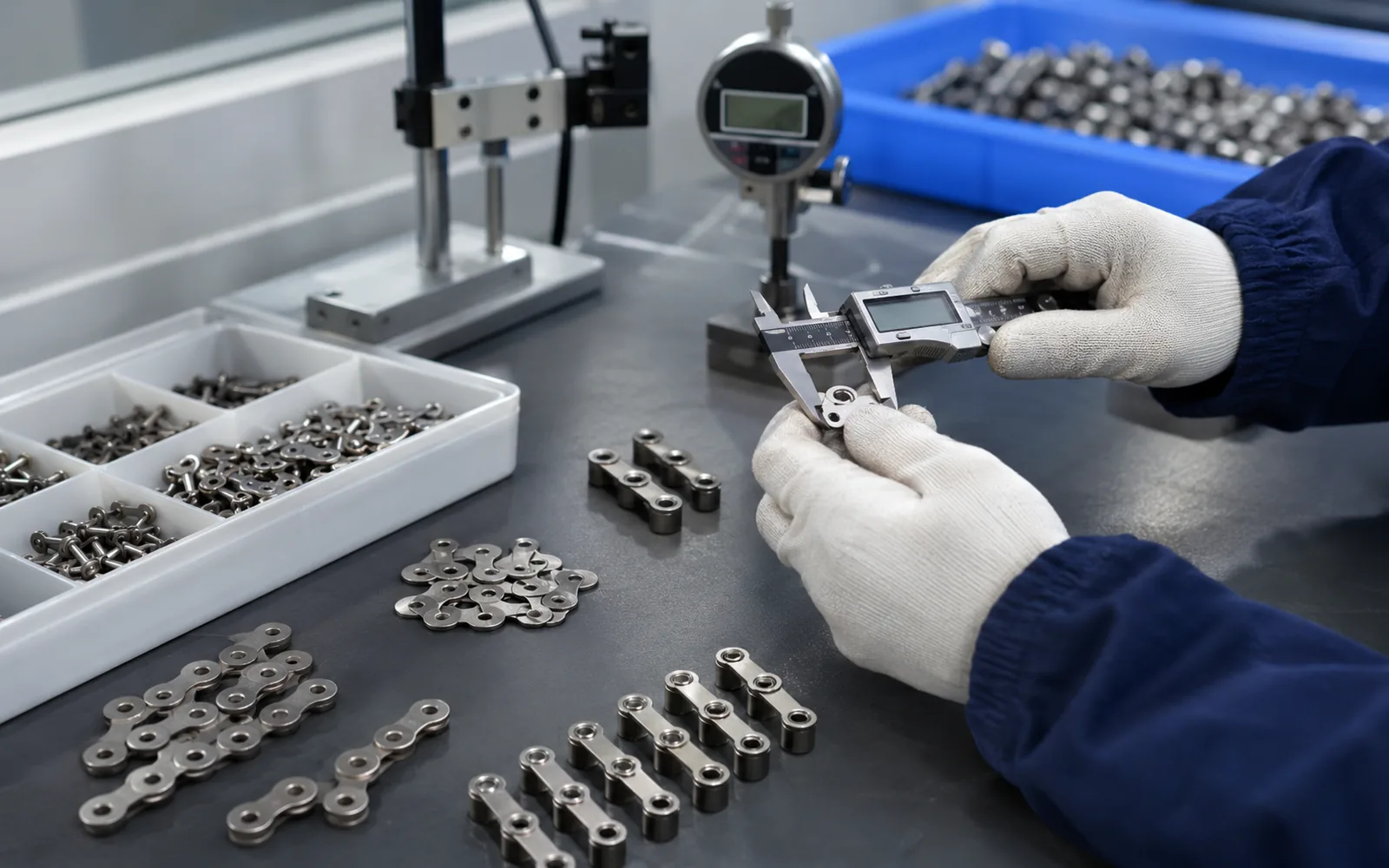
Inspect the dimensions that control field fit
For MS 730 700 Class Pintle Chain, incoming inspection should focus on the interfaces that matter to the machine rather than measuring every available dimension with equal priority. Typical checks include pitch over multiple links, working width, pin or bearing geometry, overall width, attachment location and representative assembled length.
If the MS 730 700 Class Pintle Chain order includes special attachments, drilling, materials or processes, freeze those requirements on the approved drawing before production. The same revision should identify any inspection or material documentation required with the shipment.
Keep the approved MS 730 700 Class Pintle Chain drawing and installation notes after commissioning. For repeat orders, that record provides a controlled starting point and reduces the risk of reconstructing the specification from a heavily worn sample.
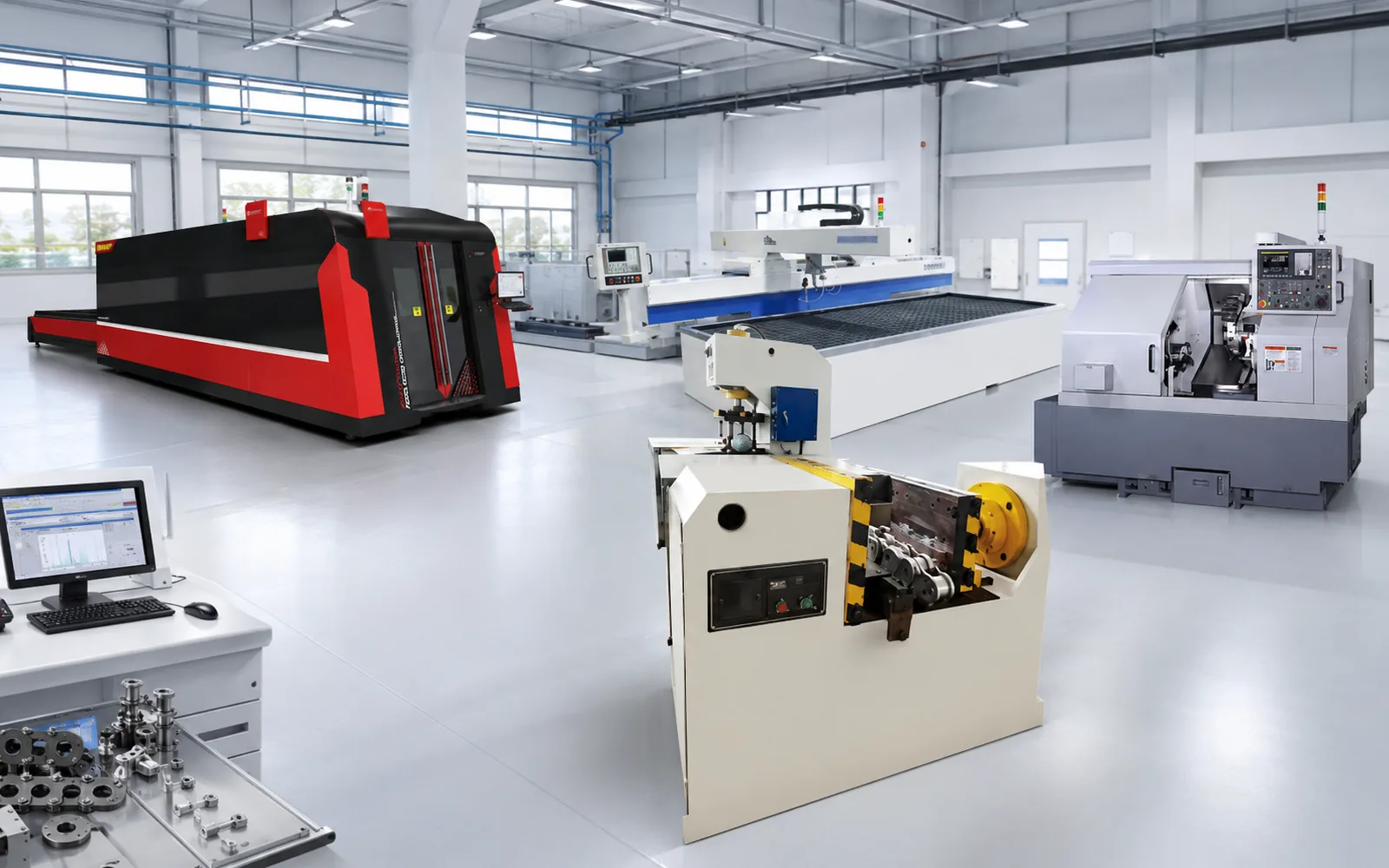
A practical measurement sequence for MS 730 700 Class Pintle Chain
Photograph travel direction, sprocket seating, take-up position, guide contact and one complete attachment station. Mark left/right strands on paired systems.
Measure a multi-pitch span first, then width, pins/bearings, link profile, overall pin length and attachment hole geometry. Repeat worn features at several locations.
Compare the field sheet with the proposed drawing, identify every intentional difference and state which sprockets, guides and flights will remain in the machine.
Do not modify a new chain in the field to compensate for an unexplained discrepancy without first determining whether the difference comes from wear, an earlier equipment modification or an incorrect reference drawing. Resolving that question before production protects both installation fit and future repeat-order records.
Questions buyers and maintenance teams ask about MS 730 700 Class Pintle Chain
Can MS 730 700 Class Pintle Chain be ordered from the model name alone?
For a controlled repeat order of MS 730 700 Class Pintle Chain, the model can start the enquiry. On older or modified equipment, confirm MS 730 link construction, attachment interface, sprocket seating and guide envelope before treating it as a direct replacement.
Which measurements should be sent first?
For MS 730 700 Class Pintle Chain, send pitch over several links, working width, pin or bearing/roller dimensions, overall pin length and attachment geometry; also include sprocket tooth count and face width, plus strand spacing where paired chains are used.
Should old sprockets be reused?
Inspect the sprockets that will mate with MS 730 700 Class Pintle Chain before deciding. Hooked or asymmetrical tooth wear, poor alignment or a tooth form worn to an elongated chain can prevent correct seating of the new chain.
Can attachments be changed for a new project?
Attachments for MS 730 700 Class Pintle Chain can be reviewed when the load path and machine clearances are known. Provide the attachment drawing, interval, flight or rake connection, fasteners and travel direction.
What operating information is useful?
For MS 730 700 Class Pintle Chain, state the equipment type, submerged/exposed sections, solids or grit, cleaning chemistry, temperature, speed or cycle information, known jams and maintenance access.
What quantity information should be included?
List the required MS 730 700 Class Pintle Chain length or pitches, number of strands, joining pieces, spare requirement and line-item quantity. Mixed models can share one project enquiry when each line is separated by drawing or model.
Send the drawing or sample dimensions, attachment and sprocket data, application and quantity. The MS 730 700 Class Pintle Chain quotation can then be tied to the actual equipment interface.